Apple Watch Series 12 Review: Worth the Watch
Jin Soh
While last year’s step from the Series 10 to the Series 11 may have felt like an incremental update, the Apple Watch Series 12 arrives with a bit more to say. Rather than relying on a major redesign, Apple has focused its energy under the hood, delivering a comprehensive sensor overhaul, tougher materials, and a more aggressive approach to health tracking.
The result is easily Apple’s most accurate and capable health tracker to date, though whether those leaps justify an immediate upgrade depends on what generation is currently sitting on your wrist.
What’s New?
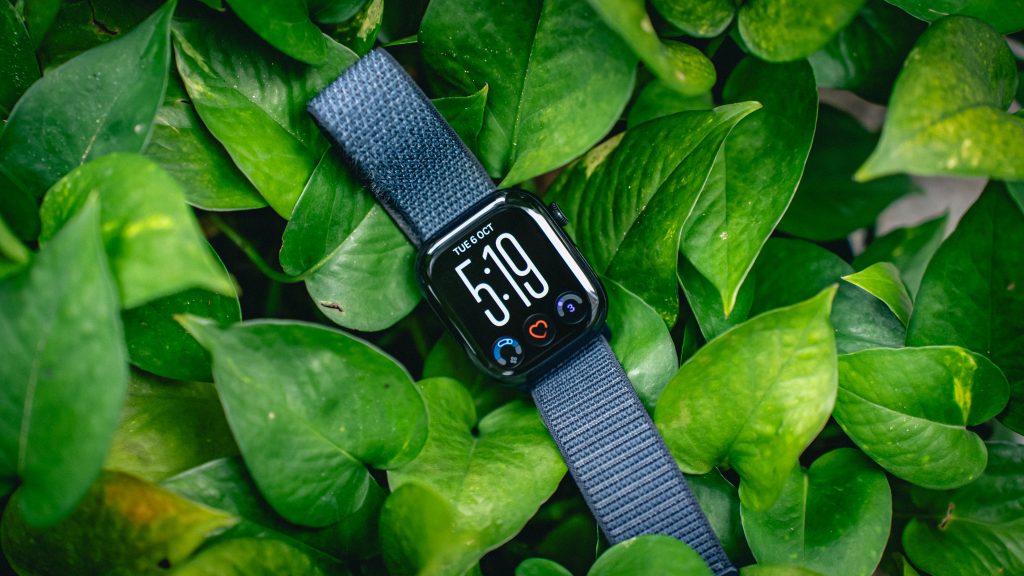
The aluminium models now come with Ceramic Shield 2 glass for improved durability, the same tougher material Apple has used on recent iPhones. For those after something more premium, two new ceramic models arrive in Pearl White and Night Blue, which are genuinely striking colourways with the material, albeit at a steeper price tag.
The Apple Watch Series 12 starts at RM1,799 for the Aluminium variant, RM4,049 for the Ceramic models and RM6,549 for the Hermès Series 12.
The S11 chip comes with twice the RAM of the previous generation, contributing to better performance across the watch’s growing suite of health and on-device intelligence features. The sensor system has also been comprehensively reworked. The ECG electrode design has expanded from two electrodes to 32, a meaningful hardware upgrade that promises more accurate readings.
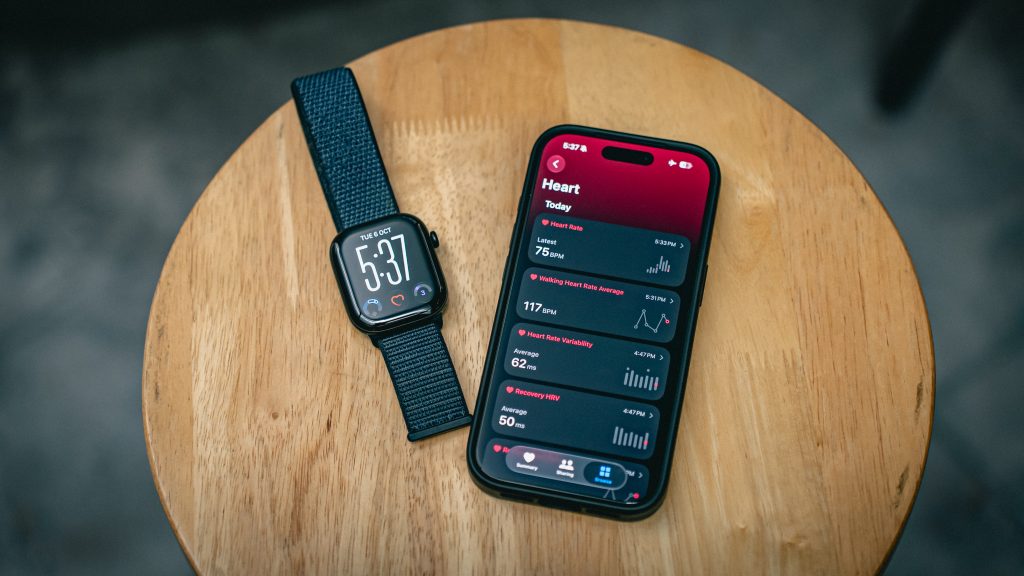
The optical heart rate sensor has been similarly overhauled with new photodiodes and LEDs. Heart rate tracking now runs every five seconds in the background, and HRV is measured every five minutes, making the health data feel more continuous and reliable rather than occasional.
Health Tracking and Readiness
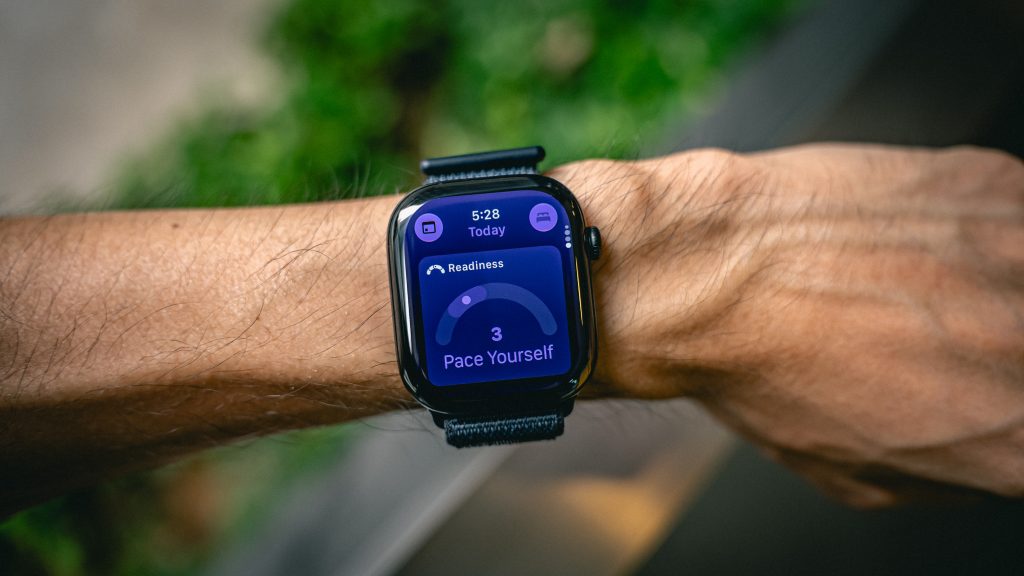
The headlining software addition this year is the new Readiness app, which dynamically balances sleep duration, overnight Vitals data, recent physical activity, and cumulative training load to gauge your daily recovery. Delivered each morning directly on your wrist or inside the Fitness app, the metric simplifies your state into a scale from 0 to 10 alongside four distinct status descriptors: Recover, Pace Yourself, Ready, and Go For It. It can also be added as a complication directly on the watch face with Daytime and Nighttime views, effectively removing the need to rely on subscription-based third-party recovery apps.
That said, the Readiness score carries the same caveat raised about the Sleep Score in our Series 11 review. A metric that tells you your readiness is moderate does not always capture the reality of how you actually feel on a given morning. It gives you a reasonable benchmark before tackling the day, which is useful, but managing expectations around how literally to take it is probably wise.
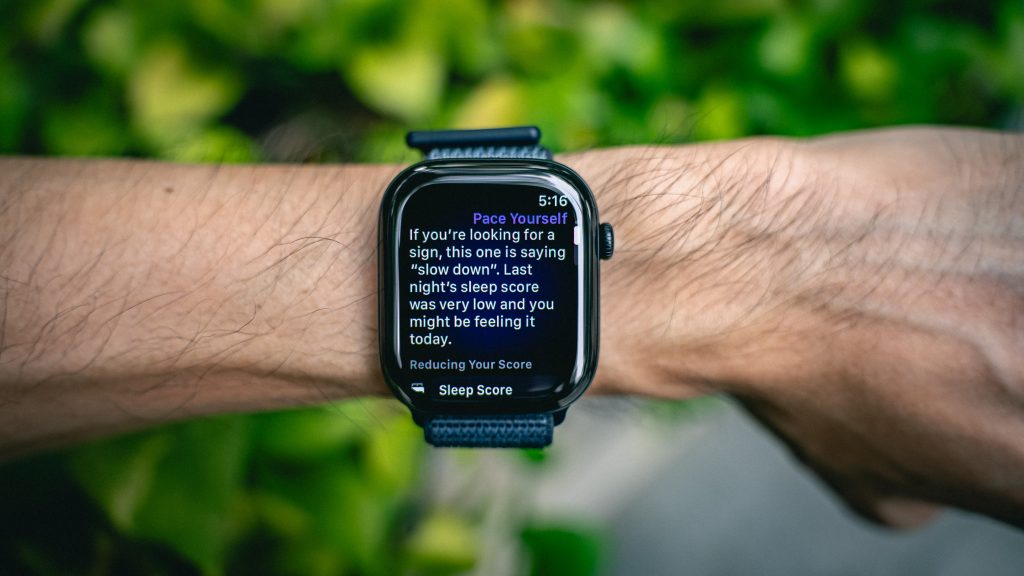
The other practical catch is the minimum seven-night baseline of continuous sleep data required to generate a Readiness score at all. If wearing your watch to bed is not something you do or want to do, this feature simply will not work for you in any meaningful way. For those who do wear it overnight, it serves as a decent enough daily gauge of your energy levels.
Audio Intelligence
A suite of new Audio Intelligence features is also on the way, covering Live Rewind, Siri Recap, Sound Recognition and Music Recognition. Sound Recognition is an accessibility feature for those who are hard of hearing, and Music Recognition does exactly what it sounds like. Both are available now and work as intended, with Sound Recognition showing notifications for the doorbell ringing and the latter being your usual Shazam affair. Live Rewind and Siri Recap, which essentially listens in on your recent conversations and provides you with a recap, will follow in a beta update later this year.
The idea of a watch actively listening to everyday conversations might raise privacy questions for some, but Apple has made all of these capabilities strictly opt-in. All audio processing is contained within the Secure Exclave on the device and is never saved locally or uploaded to cloud servers, which is a reassuring line of privacy protection.
Battery Life and Charging
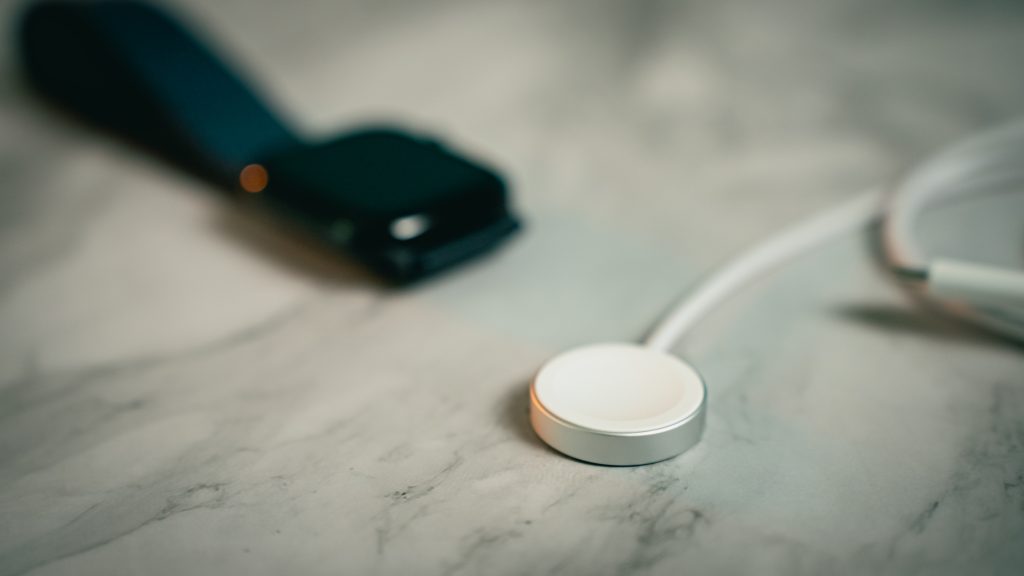
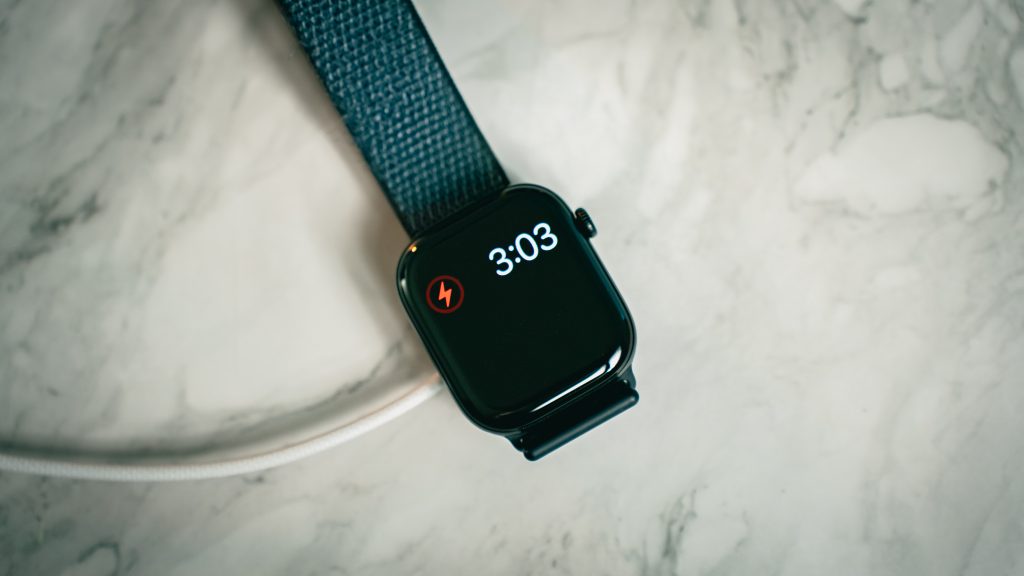
Apple quotes the same 24-hour battery life as the Series 11, which on paper sounds like a lack of improvement. In actual day-to-day use,interestingly enough, the Series 12 consistently lasted a couple of hours longer, most likely down to efficiency gains from the new S11 chip. A new charger is included in the box that looks identical to the previous generation’s puck but uses an updated charging architecture, enabling faster top-ups.
What’s Good
The most immediately tangible win in daily use is real-world battery performance. Even though Apple officially quotes the same 24-hour claim as the Series 11, the Series 12 consistently squeezes out a couple of extra hours of endurance, an improvement almost certainly driven by the efficiency gains of the new S11 chip. Paired with the updated charging puck, which delivers up to 12 hours of juice from a quick 15-minute top-up, battery anxiety is noticeably reduced.
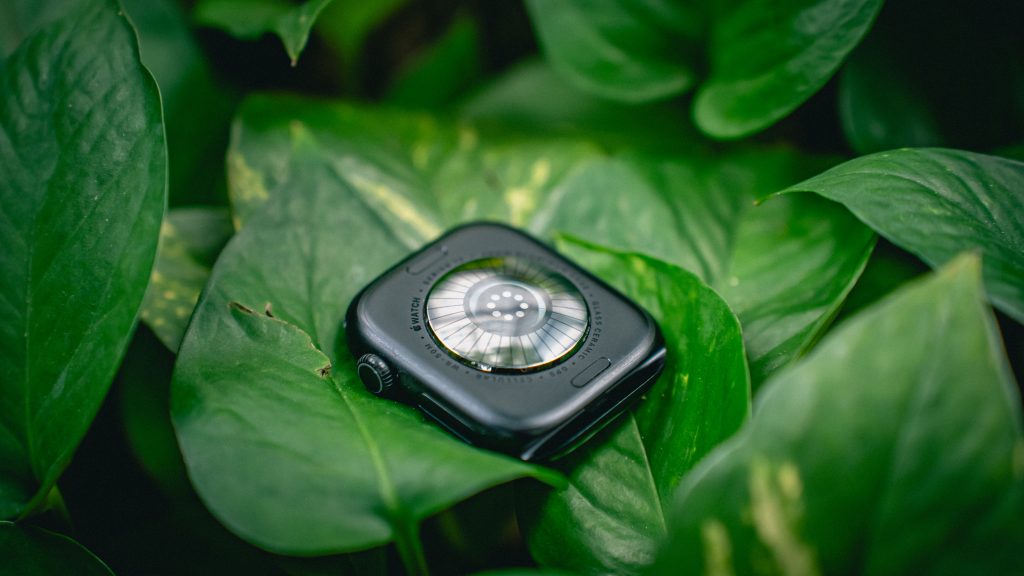
On the health hardware front, expanding the ECG system to a 32-electrode design marks a major jump in diagnostic accuracy compared to the two-electrode setup on older models. Combined with heart rate tracking now sampling every five seconds and HRV measuring every five minutes, the continuous data collection makes health monitoring feel like an active, reliable safeguard rather than a series of disconnected snapshots throughout the day.
What’s Not-So-Good
On the flip side, the headlining Readiness score inherits the same core limitation we highlighted in our Series 11 review of the Sleep Score. A single aggregated number is inherently vague, and a mathematical recovery metric does not always line up with how energetic or fatigued you actually feel when your alarm goes off. It serves as a decent general estimate to glance at before tackling your morning, but it should not be taken as absolute truth.
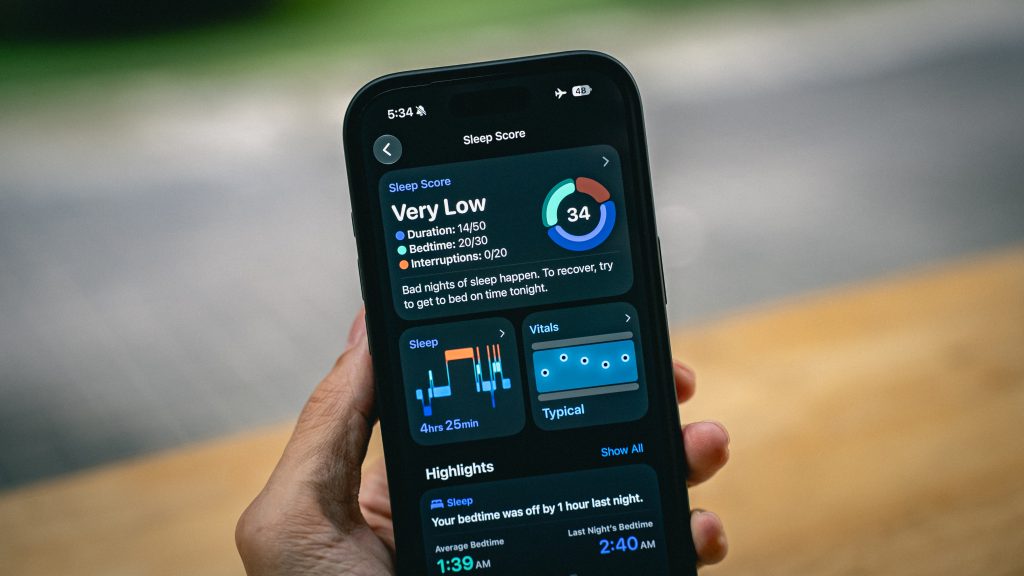
More importantly, calculating that score requires a strict baseline of seven continuous nights of sleep data. If you are someone who dislikes wearing a watch to bed or prefers leaving it on the charger overnight, the feature is effectively rendered useless, locking away one of the watch’s main software additions.
While a smartwatch is no replacement for a medical thermometer or diagnostic device, it is also worth noting that during testing, I spent two days down with a fever and the watch showed virtually no indication that anything was wrong. Wrist temperature recorded as normal, and I still received high sleep scores despite tossing and turning through both nights. It serves as a grounded reminder of the blind spots these ambient sensors still have when you actually fall sick.
Is It Worth It?
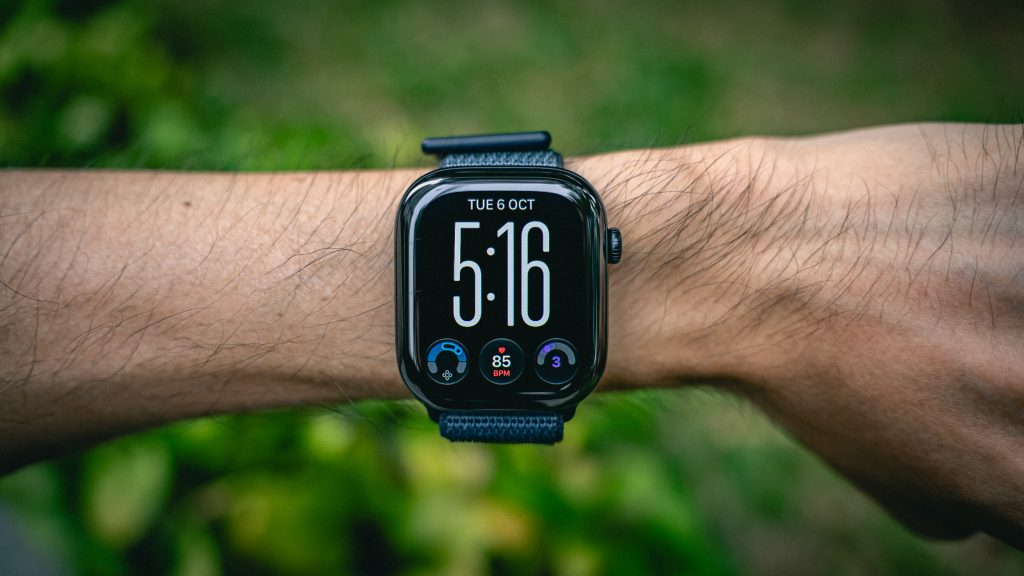
The Series 12 is a more substantial upgrade than the Series 11 was, and if you are coming from a Series 10 or earlier, the combination of the sensor overhaul, the real-world battery gains and the new health features makes a compelling case. If you are already on a Series 11, the question is really how much you value the ECG accuracy improvements and the Audio Intelligence features when they roll out.
At a starting price of RM1,799, skipping this generation remains an understandable choice. For everyone else looking to get into the Apple ecosystem, the Series 12 is, unsurprisingly, the best Apple Watch yet.