Xiaomi 17T Pro Review: Tempting Top Tier Value
Jin Soh
Xiaomi’s T series has always occupied an interesting position in the market, delivering flagship-level performance and features at a price point that stops short of the top-tier asking price. The 17T Pro continues that tradition with a Leica camera system and the MediaTek Dimensity 9500 chipset, a processor Xiaomi claims rivals the Qualcomm Snapdragon 8 Elite and the same chip found in the flagship Xiaomi 17 Ultra.
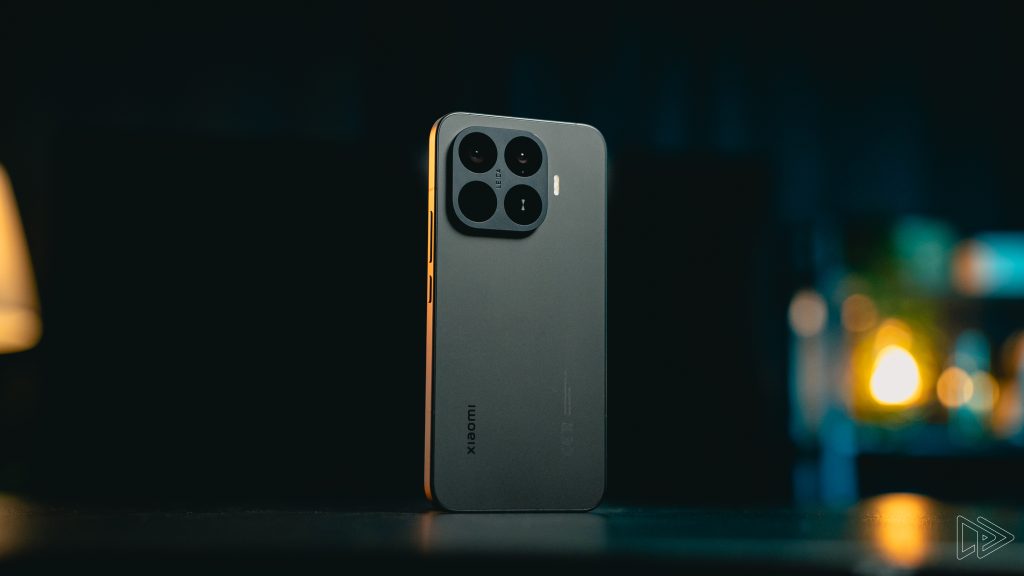
The 17T series also marks the first time the lineup has split into two sizes, and in this review we are looking at the larger Pro model.
What Is It?
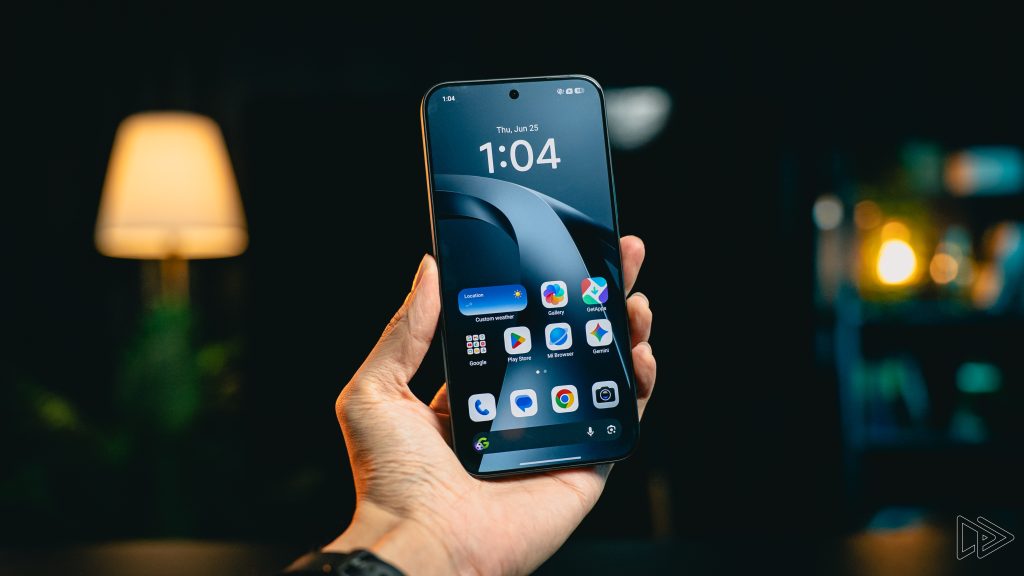
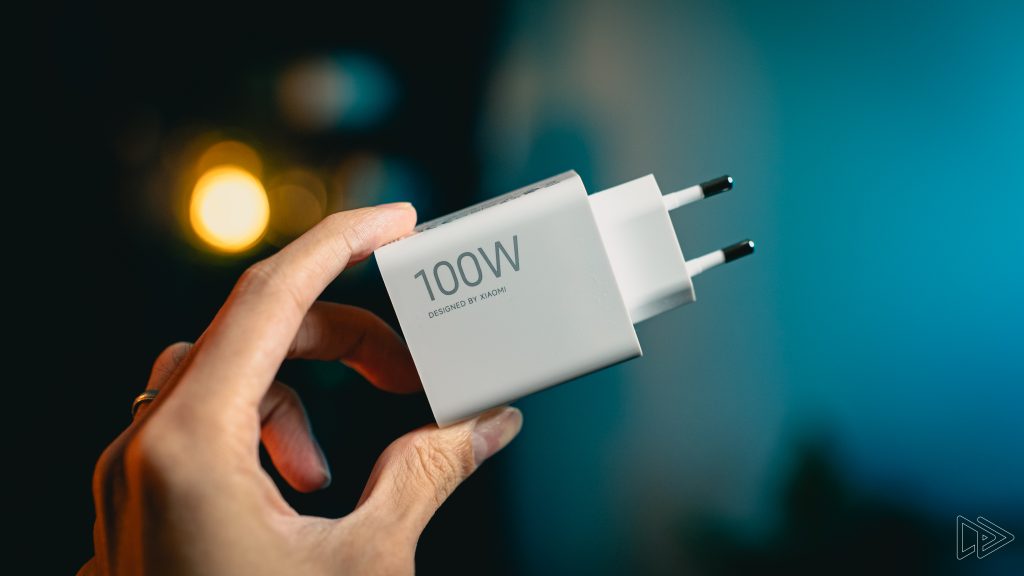
The Xiaomi 17T Pro sports a 6.83-inch QHD+ AMOLED display with a 144Hz refresh rate and Dolby Vision support. The camera setup is a triple system comprising a 50MP wide angle main lens, a 50MP 5x telephoto and a 12MP ultrawide shooter, with a 32MP f/2.2 front camera. Powering the device is a 7,000mAh silicon-carbon battery with 100W wired and 50W wireless HyperCharge.
Pricing starts from RM2,899 for 12GB and 256GB, RM3,199 for 12GB and 512GB and RM3,499 for the 12GB and 1TB top-end configuration.
The Good Stuff
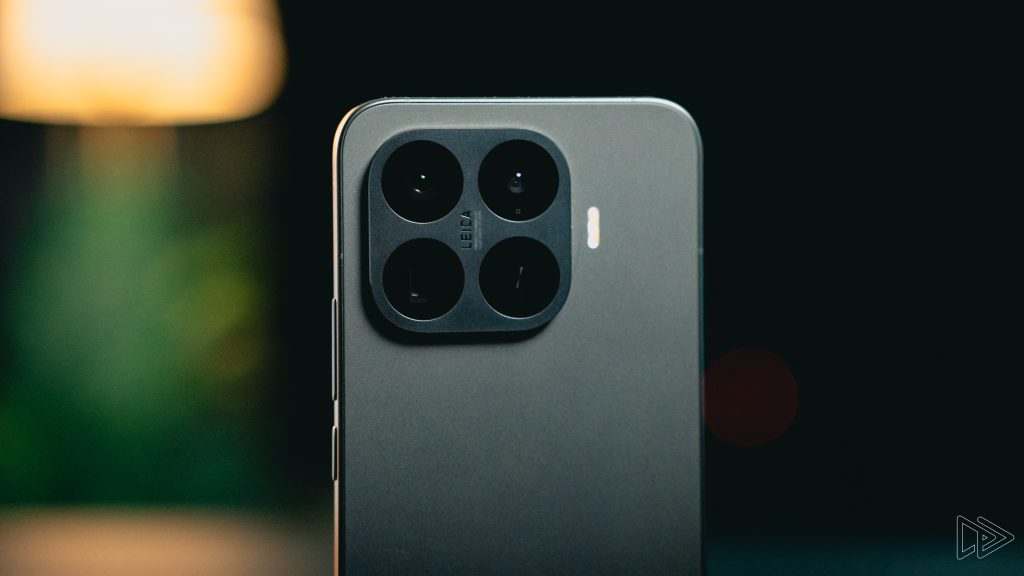
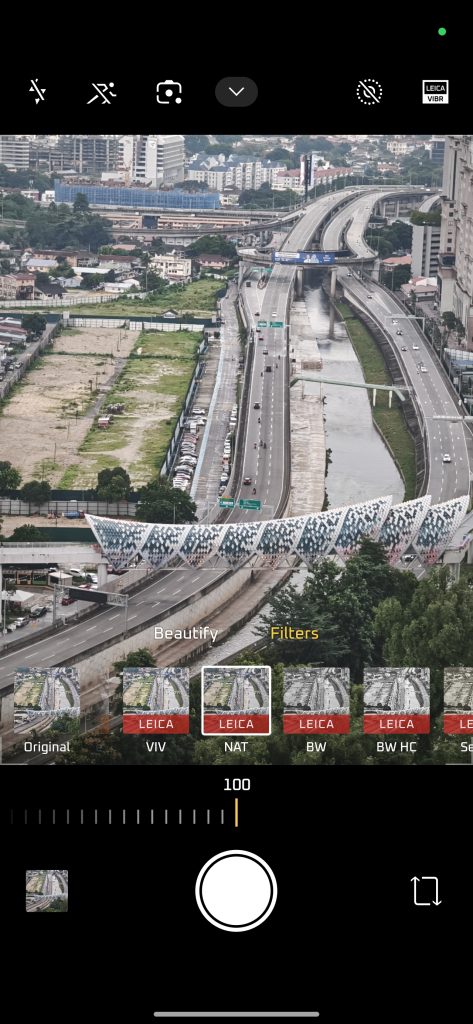
The Leica branding on the camera is not just cosmetic. Images from the 17T Pro are a cut above average, and the phone gives you a fair amount of control over how they look. Two default picture styles are available: Leica Vibrant and Leica Authentic, alongside a broader selection of Leica filters including Vivid, Natural, BW, BW High Contrast, Sepia and Blue. Most of our sample images were taken in Leica Vivid, which produces images that are more saturated and punchy than true-to-life but in a way that tends to be flattering rather than garish.
Dynamic range is handled relatively well throughout. Clouds rarely blow out in daylight shots, though the HDR processing can lift shadows in the foreground a touch more than what feels natural. There is also a degree of oversharpening present, as is common with most smartphones, though this actually works in the phone’s favour in low-light scenarios where it helps retain crispness and clarity.
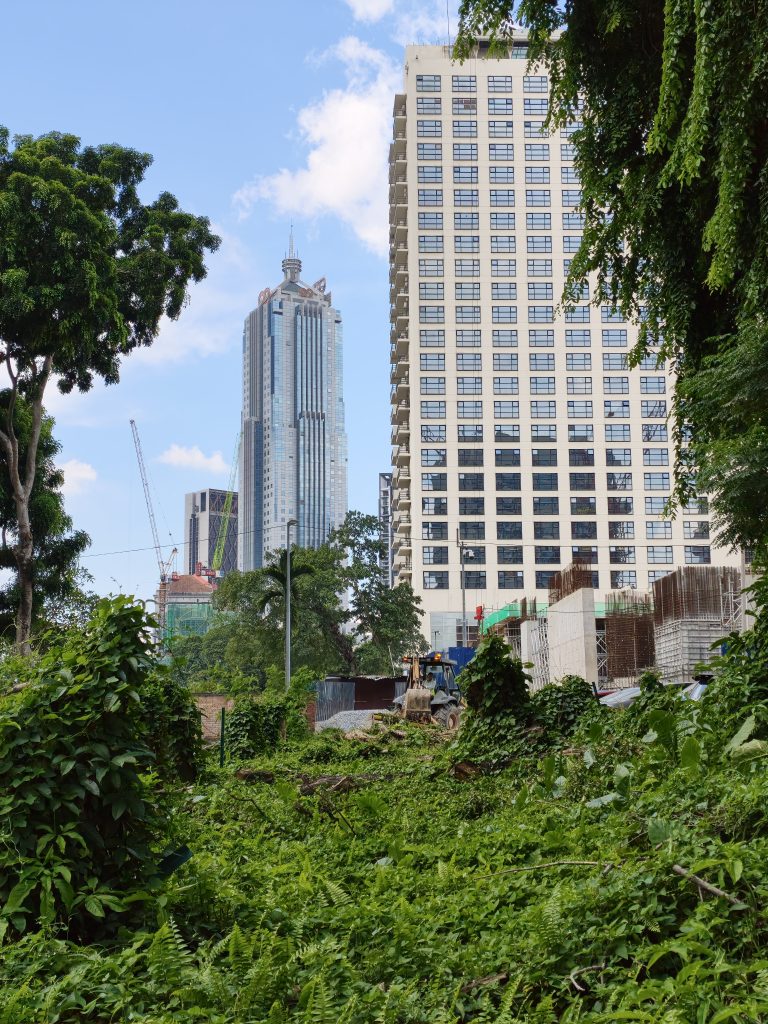
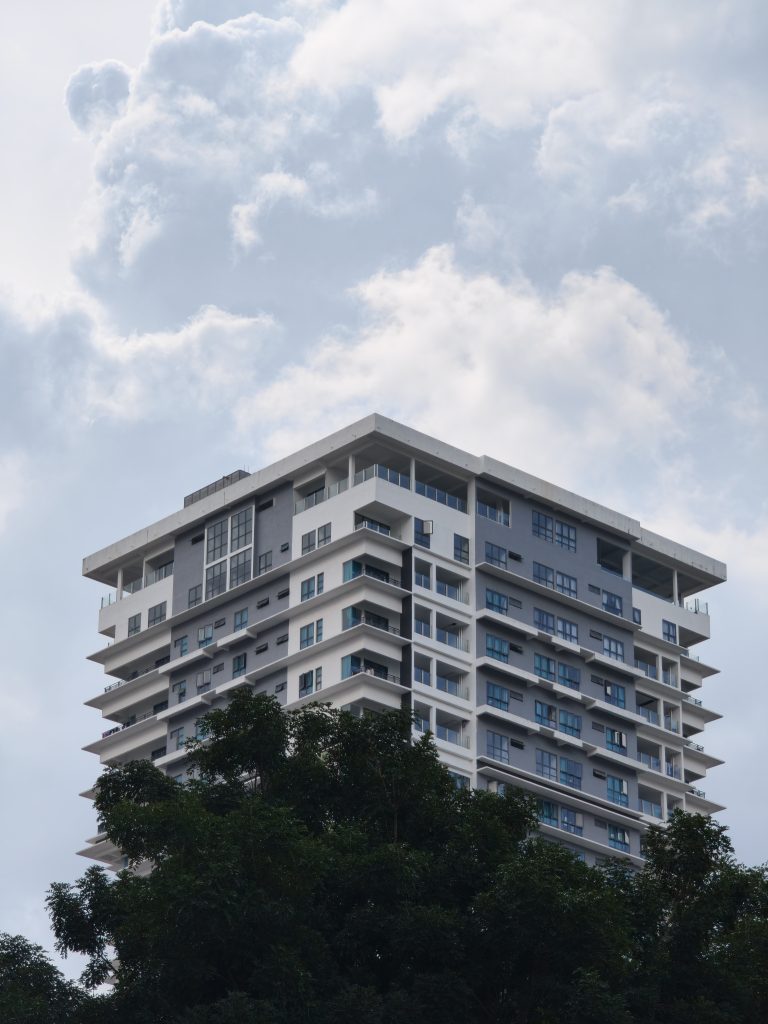

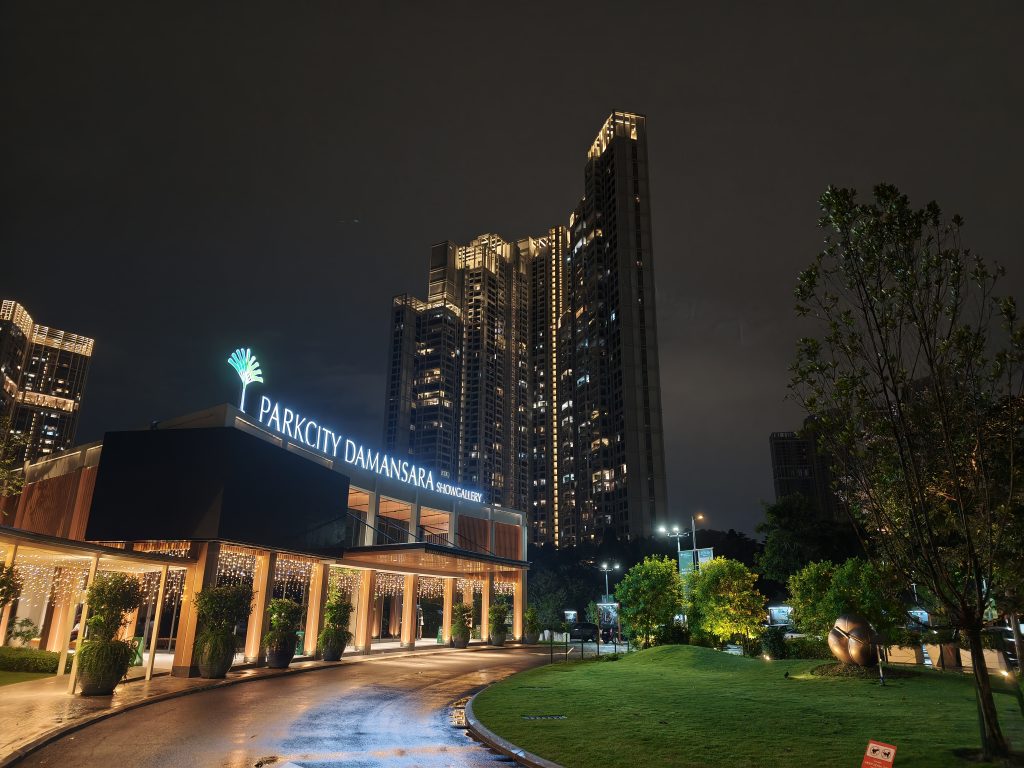


Night photos hold up well, with colours remaining vivid without washing out from surrounding light sources in the scene. The 5x telephoto delivers by being sharp with pleasing bokeh, though as with most smartphones, pushing beyond that into digital zoom territory softens results noticeably.
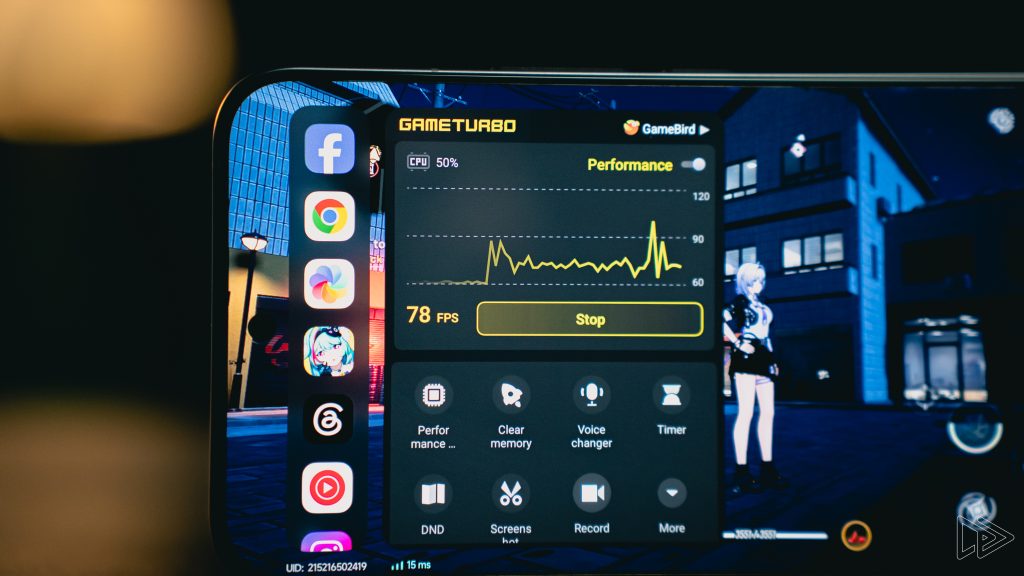
Gaming performance sits comfortably in flagship territory with the help of Game Turbo. The software feature optimizes CPU, GPU, and RAM allocation to boost frame rates.
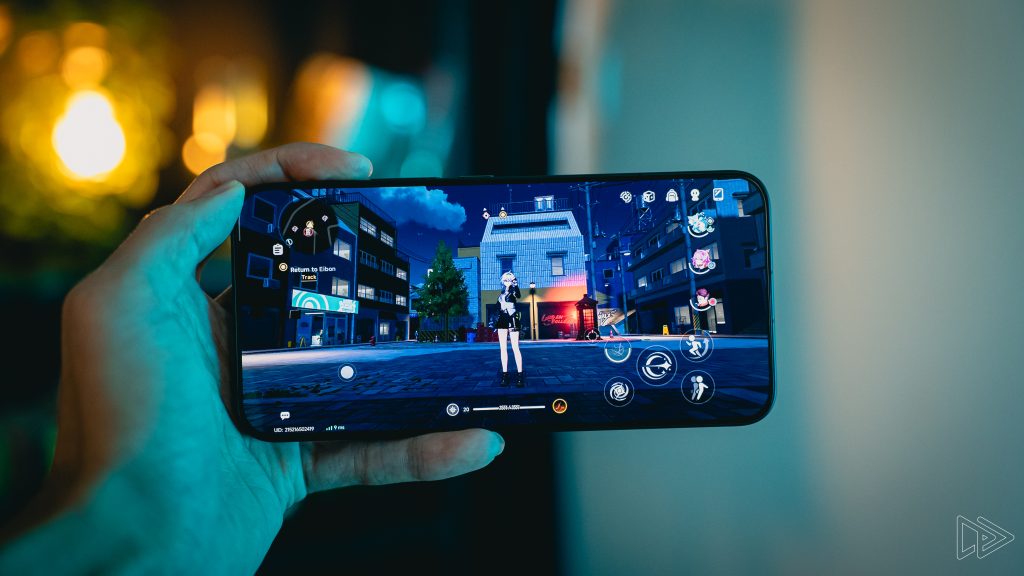
Genshin Impact runs smoothly on High settings at 30fps and holds up well on Medium at 60fps, only occasionally stuttering during battles with intense animations. Performance on Neverness to Everness is equally stable. In fact, the game runs an average of 70fps even on Extreme settings. The Dimensity 9500 handles sustained workloads without drama, and thermals are well-managed throughout. The phone gets comfortably warm during extended gaming sessions but never reaches a point of discomfort.
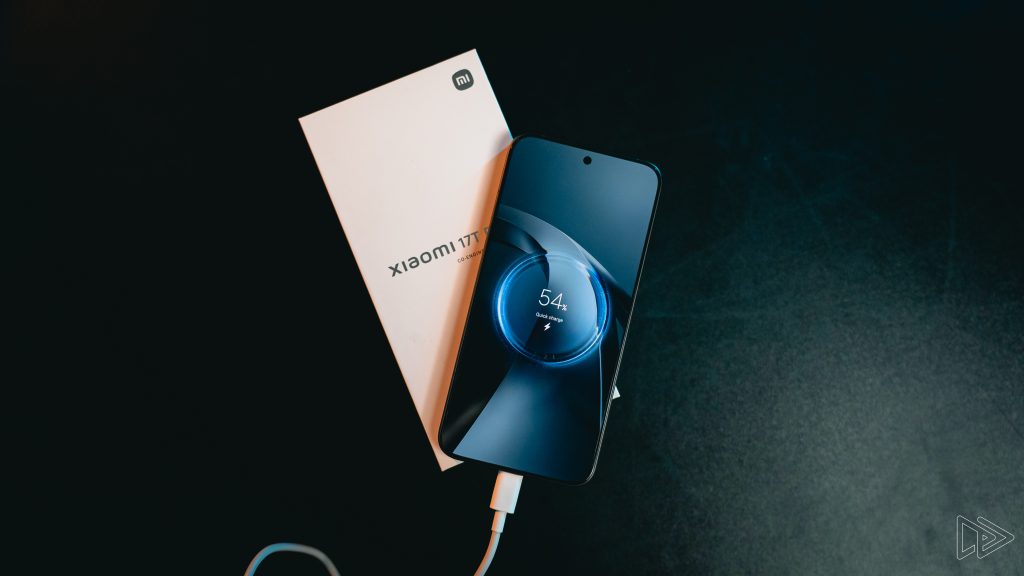
Battery life delivers as expected from a large 7,000mAh cell. In our testing, a full charge returned around seven hours of screen-on time with roughly 20 percent remaining at the end of the day. This of course depends on your usage habits; our numbers were achieved with a mix of mostly gaming, streaming YouTube videos, as well as browsing Instagram and Threads.
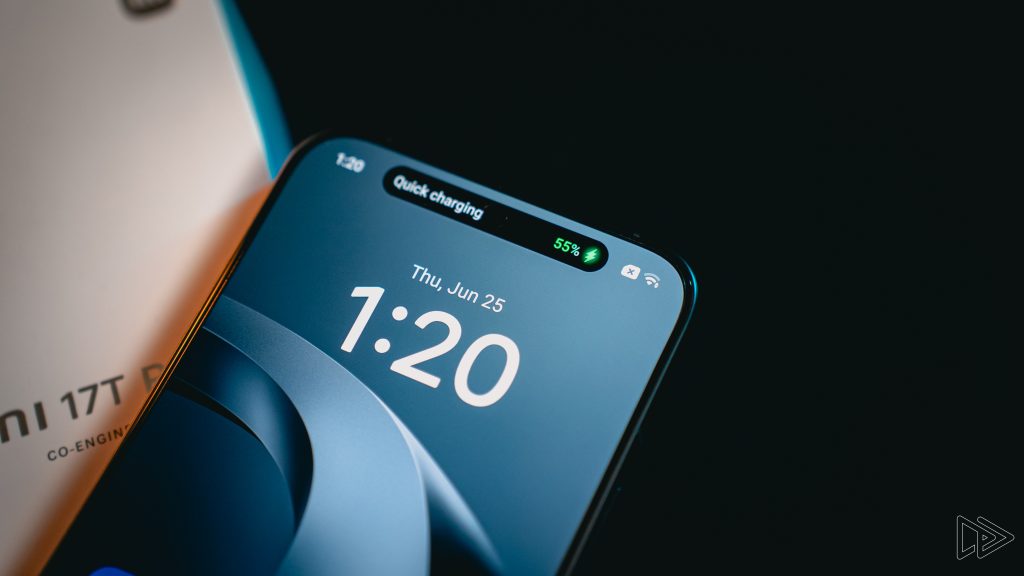
Charging with the included 100W HyperCharge adapter takes the phone from zero to full in approximately 45 minutes. On a slower 25W charger, the 20 to 80 percent window takes around 40 minutes. A full charge from 0% at the slower speed takes about one and a half hours.
The Not-So-Good Stuff
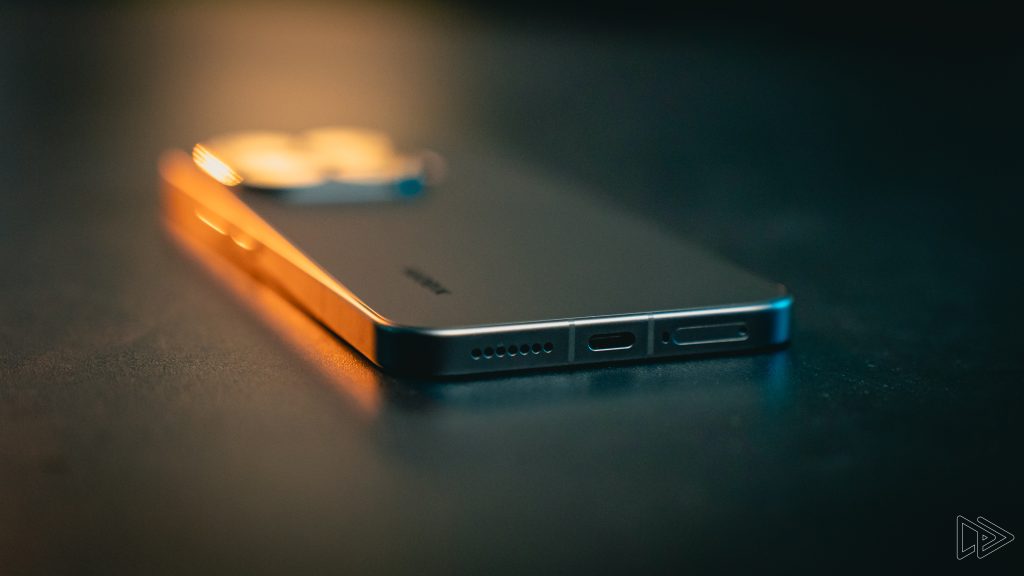
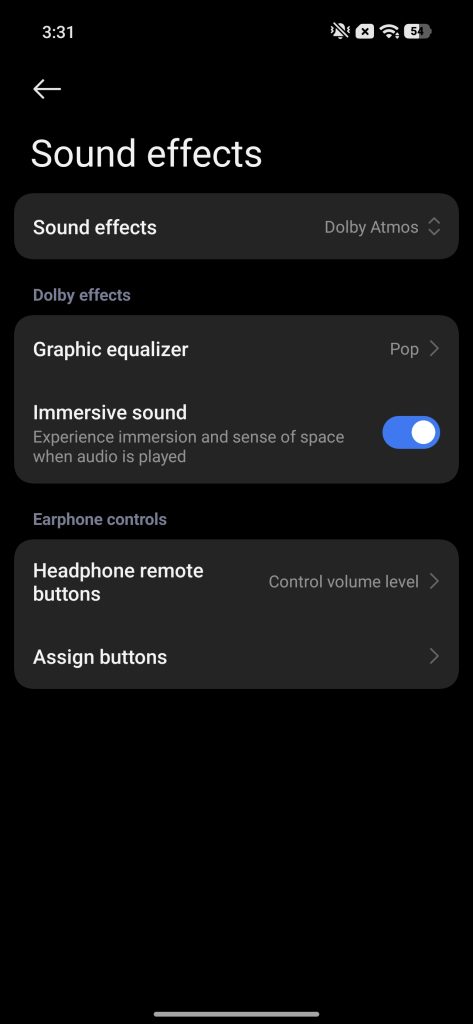
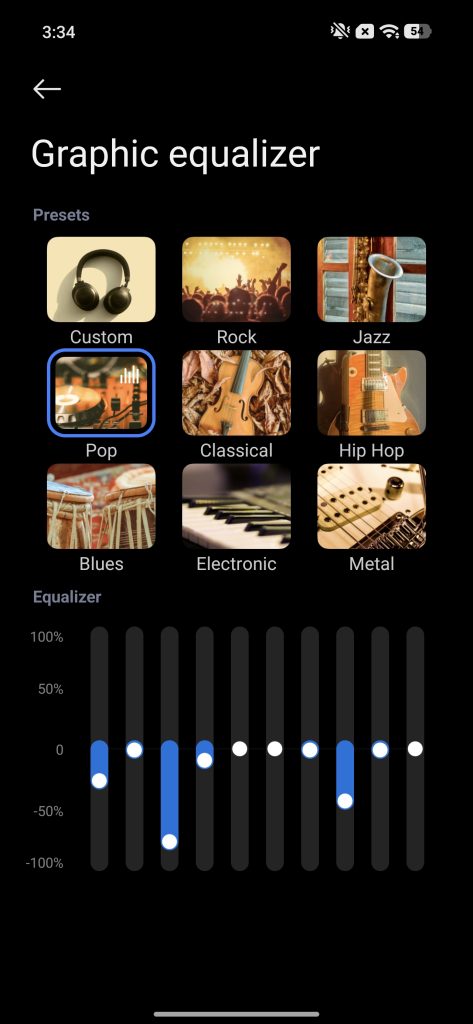
In terms of audio, the 17T Pro offers a choice between Dolby Atmos and Xiaomi Sound audio modes alongside an immersive sound option and a 10-band equaliser with eight presets covering genres like Pop, Rock and Jazz. The options are appreciated, but the stereo speaker balance in landscape mode is noticeably off.
The bottom speaker (which becomes the right speaker when the phone is held horizontally), sounds considerably louder than the left, creating an uneven listening experience that none of the EQ settings fully correct. When playing Neverness to Everness, the game gives you the option to output in Dolby Atmos, but not only does this not solve the unbalanced speaker issue, the panning of audio from left to right often sounds disjointed and the volume also fluctuates from soft to loud.
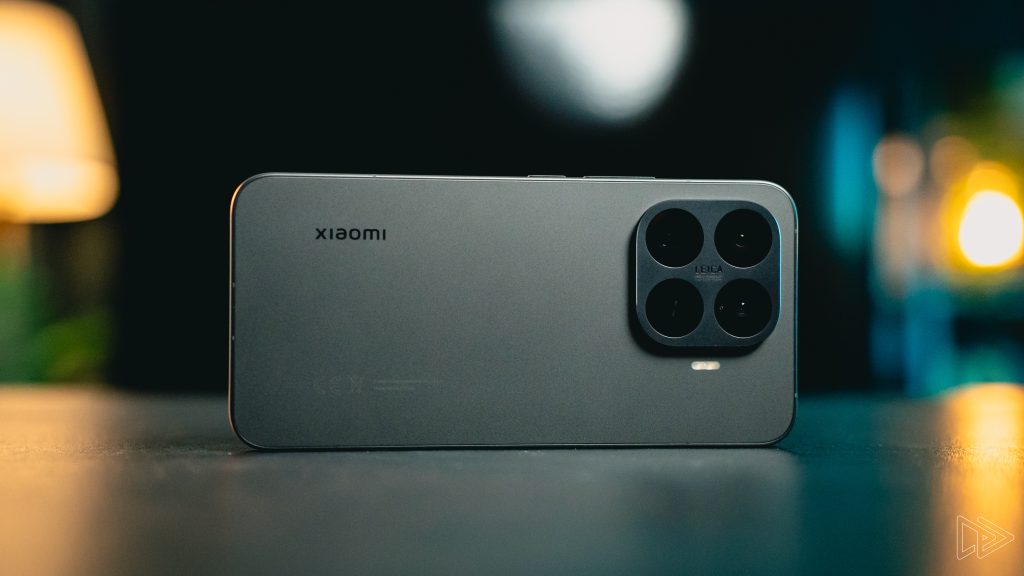
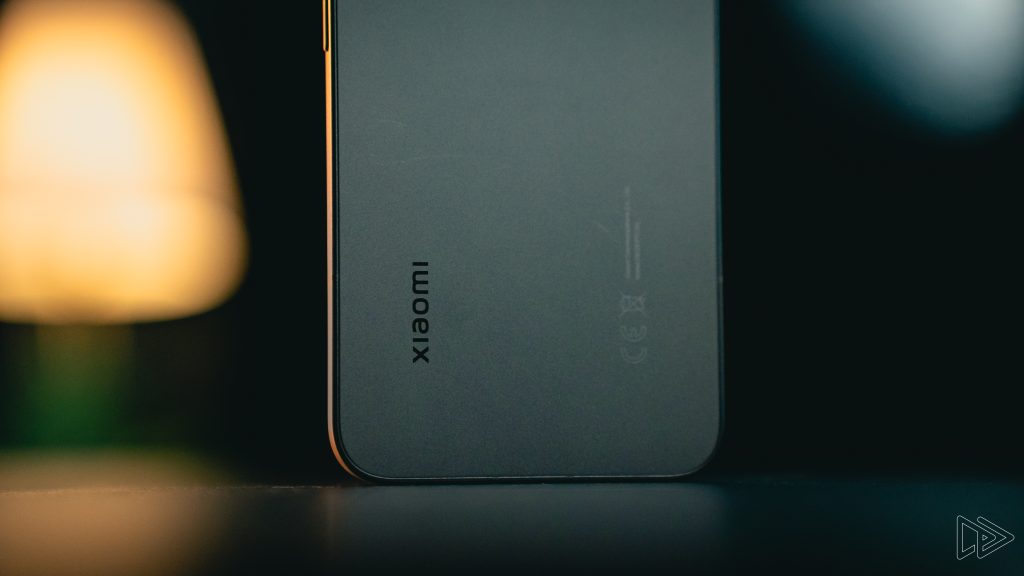
The design is also unlikely to spark much conversation. The 17T Pro is a clean, well-built slab with a square camera array on the back, which is fine but increasingly indistinguishable from the broader smartphone landscape. Xiaomi’s own 17 Ultra takes a more adventurous approach with its camera-lens-inspired rear module, and it would be good to see some of that thinking trickle down to the T series for the next generation.
Is It Worth It?
At a starting price of RM2,899, the Xiaomi 17T Pro makes a strong case for itself in a market where flagship prices continue to climb. It delivers on its core promise of near-flagship performance with a capable Leica camera system, strong battery life and reliable thermals, with only minor gripes along the way.
One thing worth noting before committing: Xiaomi is offering five years of Android updates and six years of security patches for the 17T Pro. Google and Samsung have both moved to seven years of both, which sets a new expectation at this tier. It’s likely not a dealbreaker for most, but it’s worth factoring in if long-term software support matters to you.