Kiwi Ears Stardust Review: Missing Its Sparkle
Jin Soh
Kiwi Ears is one of those brands in the Chi-Fi audio space that rarely misses. In fact, most of their products are often well-regarded and offer bang for your buck regardless of the price point.
We previously reviewed the entry-level Kiwi Ears Belle that came in at only around RM110, and we have also checked out the brand’s 10-driver Orchestra II that goes for around RM1,450. Safe to say, the brand offers something for just about anyone at varying price ranges depending on your budget and sound preferences.
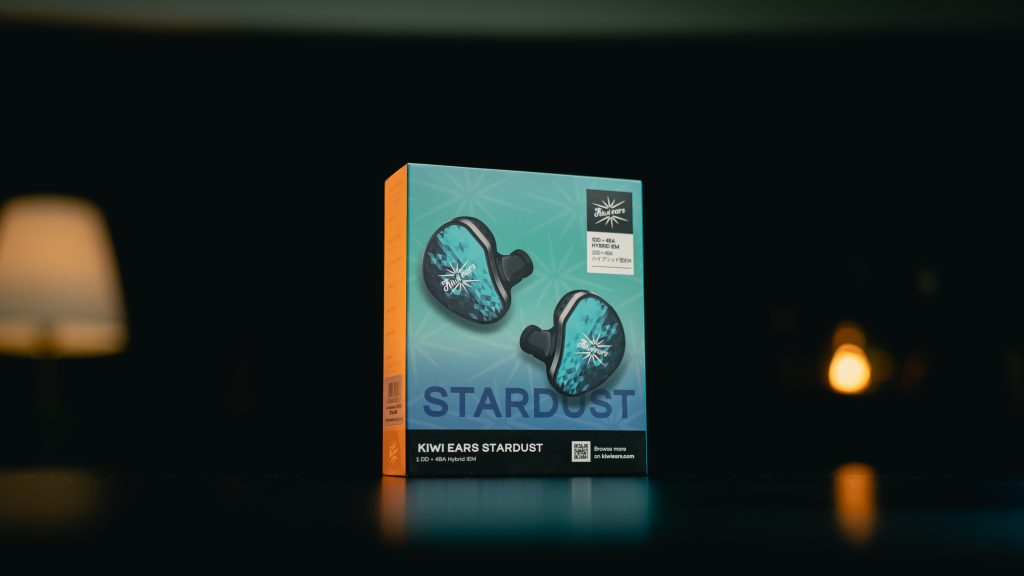
This time, Kiwi Ears is targeting the highly competitive lower-mid tier market with the release of the Kiwi Ears Stardust.
What Is It?
The Kiwi Ears Stardust is a hybrid IEM featuring a custom 10mm PU+LCP dynamic driver paired with four balanced armature drivers. It comes in three variants: a standard 3.5mm without a mic, 3.5mm with an inline mic, and a Type-C option with an integrated DAC and mic. Coming in at $80, or around RM320, we want to thank Kiwi Ears for sending over our review unit of the Stardust.
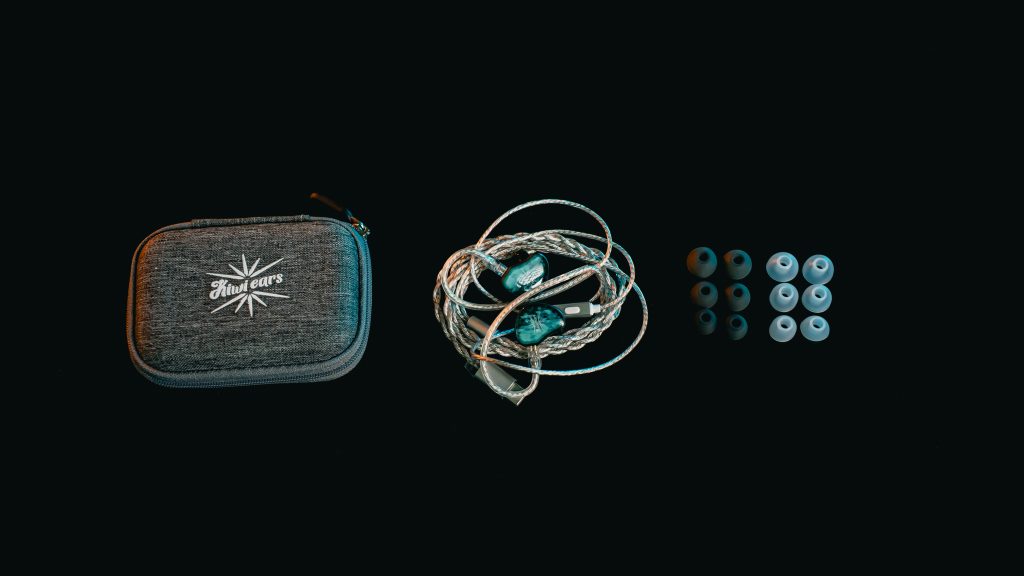
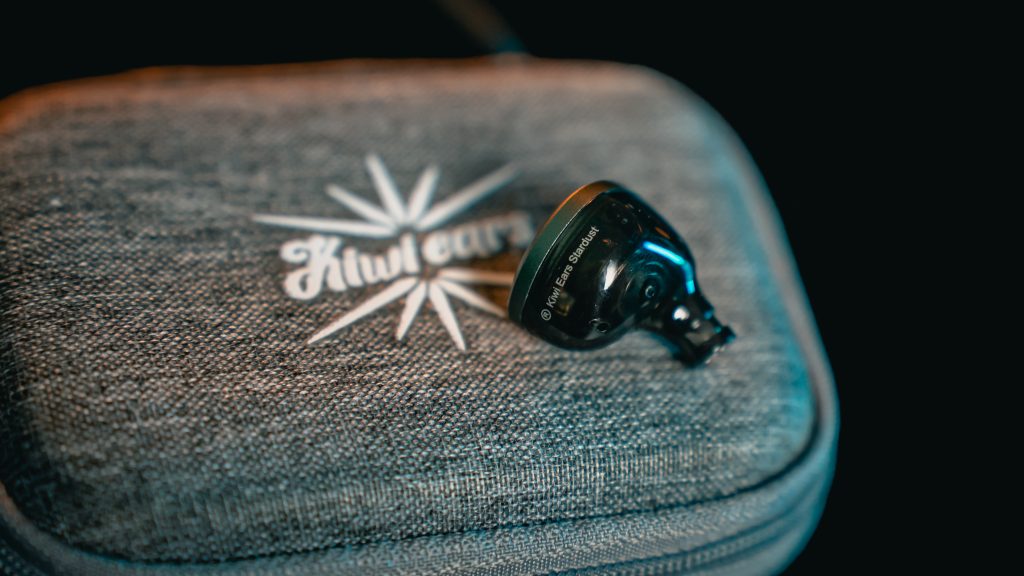
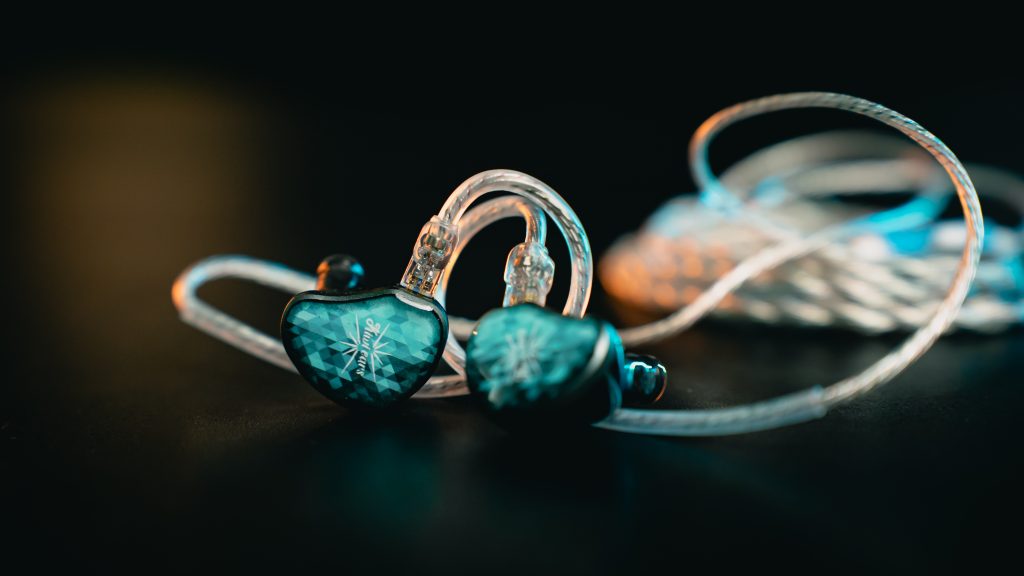
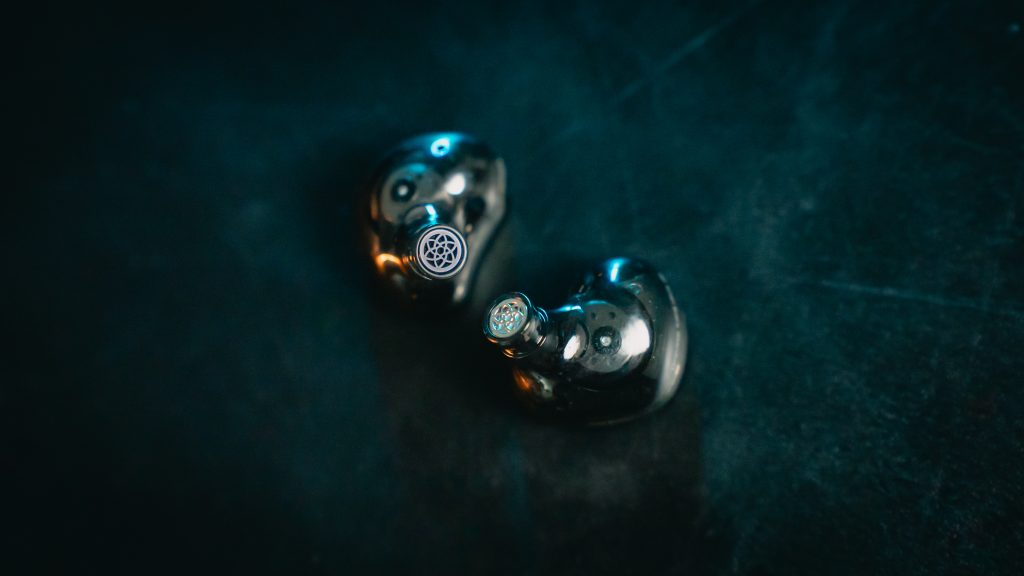
Packaging is a straightforward and simple affair. You get a small zipper carrying case and six pairs of silicone ear tips, though notably, there is no 4.4mm balanced option or modular adapter included in the box. As for the build, it features a resin shell housed within an anodized aerospace-grade aluminum alloy frame. What I will say is that it looks better in photos than it does in real life.
In person, the faceplate is rather dull, and the cyan color does not pop nearly as much as you would expect. The shell is also surprisingly small and lightweight, giving it a physical feel that is more akin to a budget IEM in hand rather than an $80 hybrid set.

Securing a good fit can also be tricky; the stock silicone tips are not the best and struggled to sit comfortably or seal properly in my ears, requiring some tip-rolling before getting an optimal seal.
How Does It Sound?

The Stardust adopts a warm, U-shaped tuning. It plays the role of a safe all-rounder, though as a result, it does not particularly excel in any one category. Technical performance is a relative highlight here, offering above-average instrument separation and detail retrieval for this price point. You can quite easily pinpoint the location of individual instruments and layerings within the soundstage.
Speaking of which, soundstage depth is above average and feels positioned a step in front of you, while width is respectable—it’s not super wide, but it never feels congested or closed in. I also found that the set scales nicely with power and sounds noticeably better at higher volumes where the dynamics open up a bit more.
Bass
Despite housing a dedicated 10mm dynamic driver, the bass response is surprisingly lacking in presence. You get audible bass with a mild impact, but you cannot really feel the rumble or sub-bass pressure. It simply does not extend deep enough into the lower frequencies, though the mid-bass is at least quite fast-sounding and tight, preventing any muddy bleed into the midrange.
Mids
Female vocals are the clear standout here, carrying good note weight, clarity, and a very natural presentation that floats nicely above the instrumental backdrop. However, male vocals lack that same richness and body, ending up sounding a bit thin and lightweight. You also get a bit of graininess creeping into the upper midrange on busier tracks, which holds the overall midrange back from being truly refined.

Highs
The treble comes across as rather blunt, dark, and rolled off. It simply isn’t crisp or bright enough to deliver that airy sparkle, micro-detail, or top-end extension you would normally expect from a quad-BA setup. On the upside, this conservative tuning choice makes for a completely smooth, fatigue-free listening experience that you can listen to for hours on end without ear strain.
What’s Good?
The Stardust shines brightest when handling female vocals, delivering a natural, smooth, and weighted presentation that is remarkably easy on the ears. If your playlist heavily features acoustic tracks, pop, or vocal-centric music, the midrange intimacy here offers a very pleasant listening experience.
It’s also an exceptionally safe-sounding IEM, which is a genuine positive for treble-sensitive listeners. The relaxed treble tuning ensures that sibilance and harshness are virtually non-existent, making long listening sessions during work or commutes completely fatigue-free.
What’s Not-So-Good?
The main issue with the Stardust is that for a 1DD + 4BA hybrid IEM, it simply does not perform like one. The underwhelming bass impact makes you question the implementation of the 10mm dynamic driver, while the dark, blunt treble fails to capitalize on the resolution and micro-detail potential of four balanced armatures. It ends up feeling like a hardware setup that is held back by its own tuning.
Is It Worth It?

At the end of the day, the Kiwi Ears Stardust is an option that performs decently. It’s very safe, conservative release from the brand, if you will. It does not do anything glaringly wrong, but it also fails to deliver that signature “wow” factor or incredible value proposition that we have come to expect from Kiwi Ears’ previous hits.
For RM320 (or $80 USD), it finds itself sitting in an awkward, competitive price bracket. The Chi-Fi market under RM300 is flooded with phenomenal single dynamic driver and hybrid options that either match or surpass the Stardust in sound quality at lower prices.
Alternatively, stretching your budget just slightly further opens the door to significantly more refined, engaging IEMs. Unless you are specifically seeking a darker, non-fatiguing sound profile focused on female vocals, the Stardust isn’t the easiest to recommend over the stiff competition surrounding it.