MUSE HiFi M3 Ultra Review: Portable Tube Glow Up
Jin Soh
Portable audio, specifically the dongle market has been on the rise in recent years. Many are opting for more pocketable setups instead of the chunky DAC and amp stacks with cables dangling. That being said, most dongles have been utilising the same CS43131, CS43198 or similar Cirrus Logic variants. Those chips are not bad options, far from it, they are more than sufficient for most users to listen to high quality audio. But with the same chip everywhere, most portable DAC/amps possess a sound you can already predict before plugging in, making the act of trying different options a somewhat boring affair.
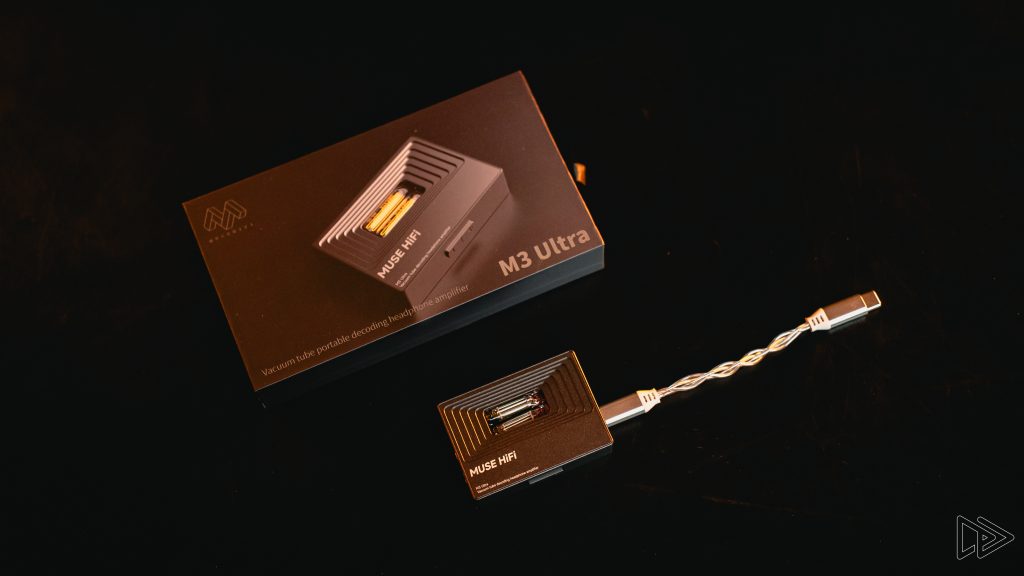
MUSE HiFi is a relatively young brand, founded in 2022 with a unique founding philosophy for the audio industry. Rather than chasing specifications alone, the brand was built around the idea of deeply integrating visual aesthetics with acoustic experience. The founder, a graduate of an art academy turned dedicated audiophile, spent over a decade in the industry before noticing that very few brands were doing both well simultaneously. The name itself comes from the Muse goddess of ancient Greek mythology, a symbol of art, inspiration and beauty, and the intention to leave a beautiful impression in the pursuit of sound is baked into everything they make.
This isn’t MUSE HiFi’s first venture into tube amplification. The M5 Ultra and M6 Double both earned strong reputations in the portable audio community for delivering genuine tube character in a compact form factor, and the M3 Ultra continues that lineage at a more accessible price point – 109USD, to be exact.
A Quick Primer on Tube Amplification
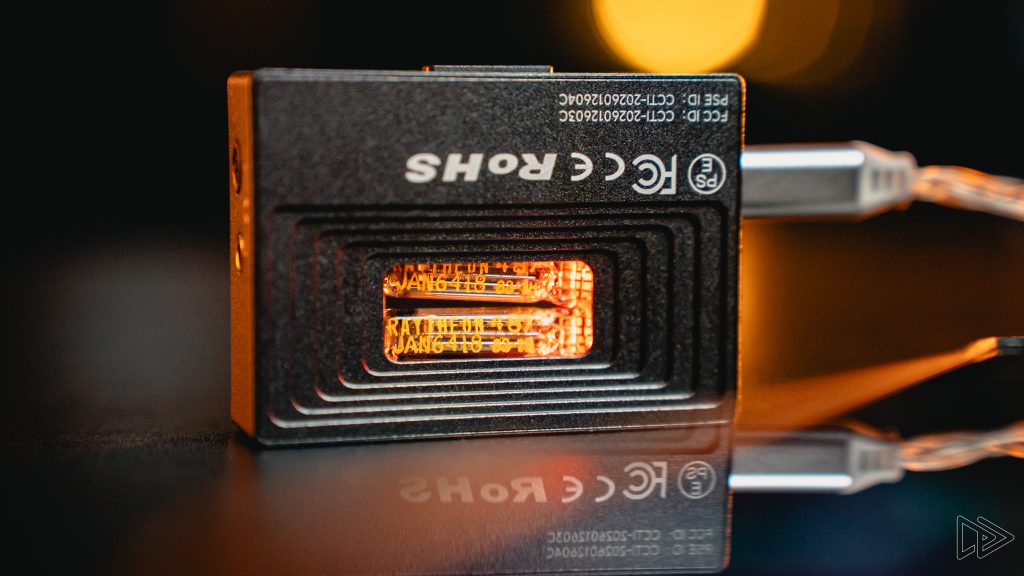
Before diving into the M3 Ultra itself, a little context might be useful. A tube amplifier uses glass vacuum tubes to amplify an electrical audio signal. Unlike modern solid-state transistors that aim for clinical accuracy, vacuum tubes introduce subtle even-order harmonic distortion into the signal. This distortion is not unpleasant in the way that clipping or noise is. Instead, it adds warmth, depth and a smooth musicality that audiophiles often describe as giving music a more three-dimensional, analogue quality.
The traditional drawback is a practical one. Full-size tube amplifiers are power hungry, run extremely hot, are physically fragile and not particularly portable. Portable tube amplifiers solve this by miniaturising the vacuum tubes into the pre-amplification stage, where they colour the signal with that coveted warmth before handing off to an efficient solid-state transistor for the actual power delivery to headphones. The result keeps heat and battery drain manageable while retaining the tube character.

One persistent quirk of portable tube designs is microphonics: the tendency for physical vibrations or bumps to cause the delicate tube internals to ring audibly in your headphones. MUSE HiFi claims the M3 Ultra addresses this through a combination of Triple Anti-Vibration Technology operating at the circuit, algorithm and system levels, a built-in microphone effect cancellation algorithm and a patented silicone physical shock absorption design. In use, the M3 Ultra does indeed hold up well to the kind of incidental movement that comes with everyday carry, which is a genuine engineering achievement for a device this compact.
What Is It?
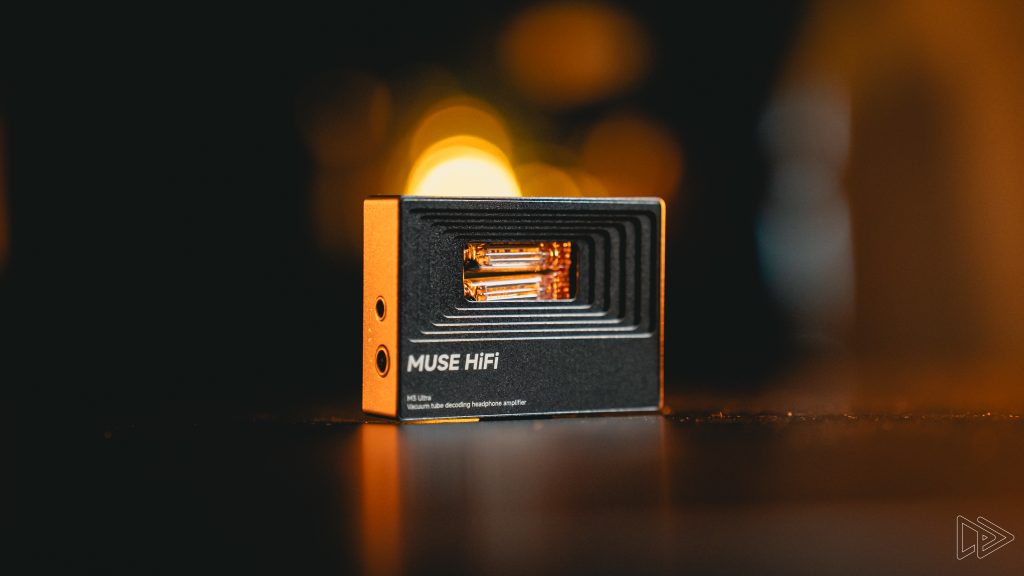
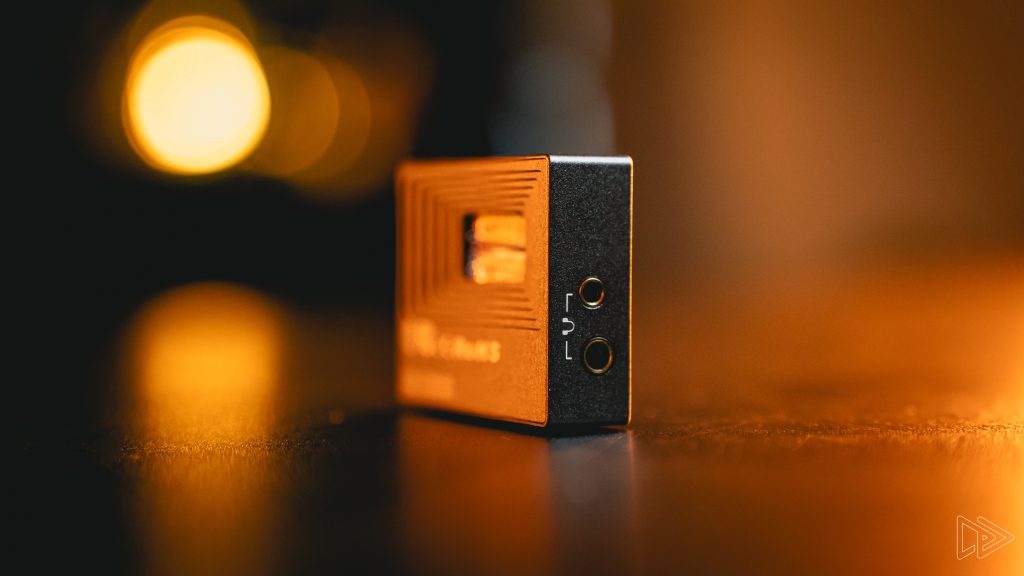
The M3 Ultra is a portable DAC and headphone amplifier built around dual military-grade JAN6418 electron tubes, an ES9028Q2M DAC chipset, a dedicated ES9603Q amplification chipset and an SA9137L USB chipset. The fully balanced audio circuitry supports Hi-Res PCM decoding up to 32-bit and 384kHz as well as native DSD256, with an output of up to 460mW through the 3.5mm output and 480mW through the 4.4mm balanced output at 32 ohms, alongside ultra-low distortion rated at 0.0003%. An independent volume control is also on board.
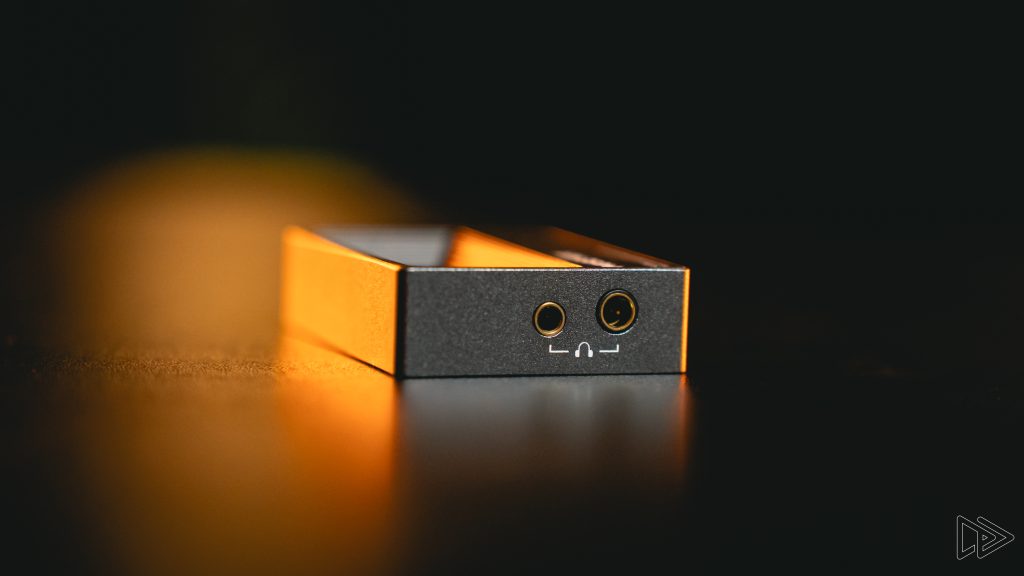
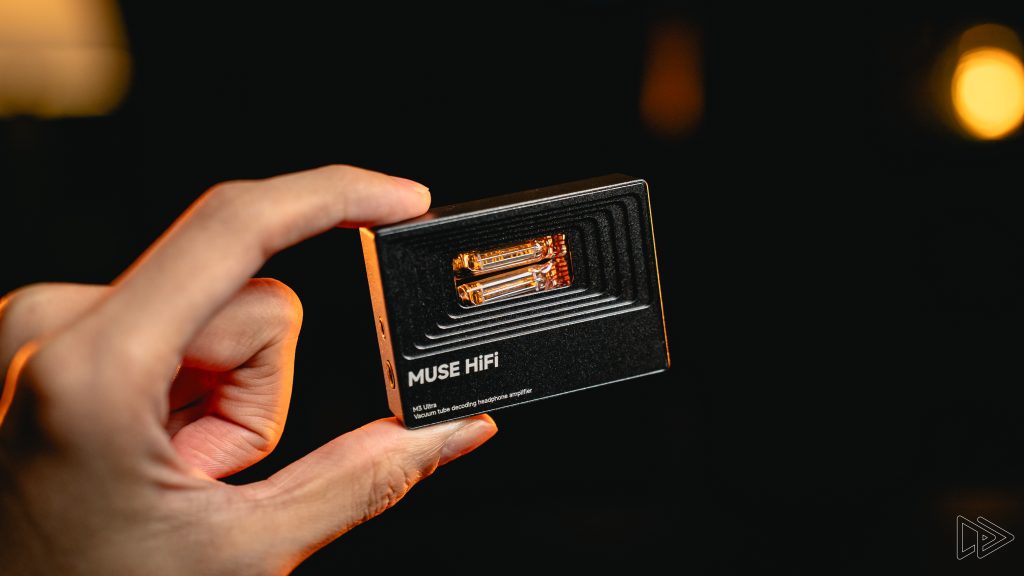
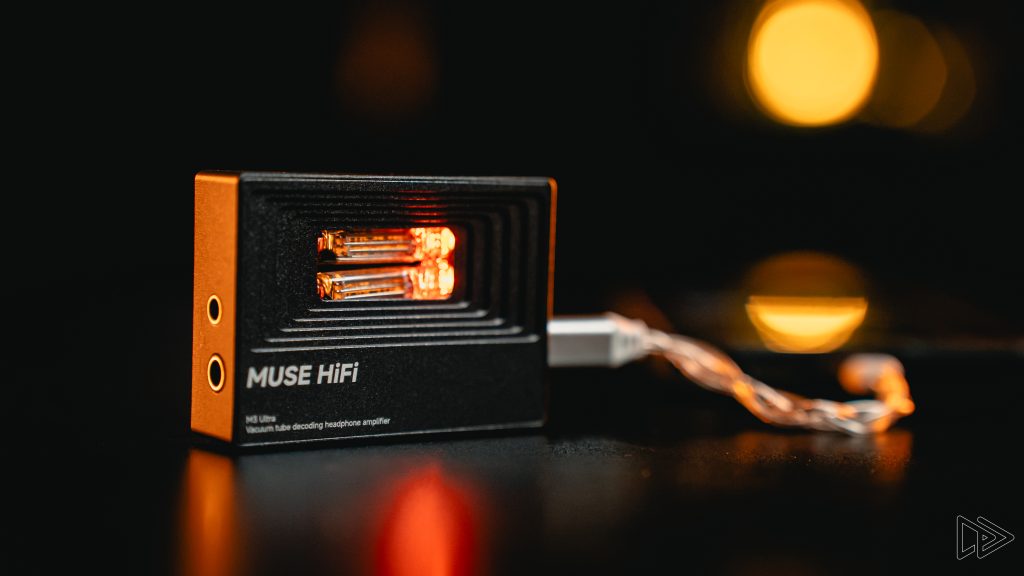
Visually, the M3 Ultra makes a statement with its ‘World Gate’ hollow tube design, which exposes the tubes themselves as part of the aesthetic rather than hiding them inside an opaque chassis. For a device weighing just 55g, it is a striking object in hand. The tubes do appear slightly slanted in the chassis, though this appears to be consistent across all units rather than a defect. Controls and outputs are minimal by design, with just a volume rocker, a USB-C input, a 3.5mm single-ended output and a 4.4mm balanced output on the body.
Thermal performance is genuinely impressive for a device of this nature. Even after extended listening sessions the unit stays at or near room temperature to the touch, and the same goes for the tubes themselves. Any concern about heat building up during use is largely unwarranted.
Packaging is minimal with just the unit and a USB-C to USB-C cable in the box, which is acceptable at this price point. A carrying pouch would have been a welcome addition given the exposed tube design, and is probably something worth sourcing separately before taking it on the go.
At 109USD (about RM450), it is priced as an accessible entry into tube amplification rather than a luxury proposition. A huge thank you to HiFiGO for sending us a unit of the M3 Ultra for review.
How Does It Sound?
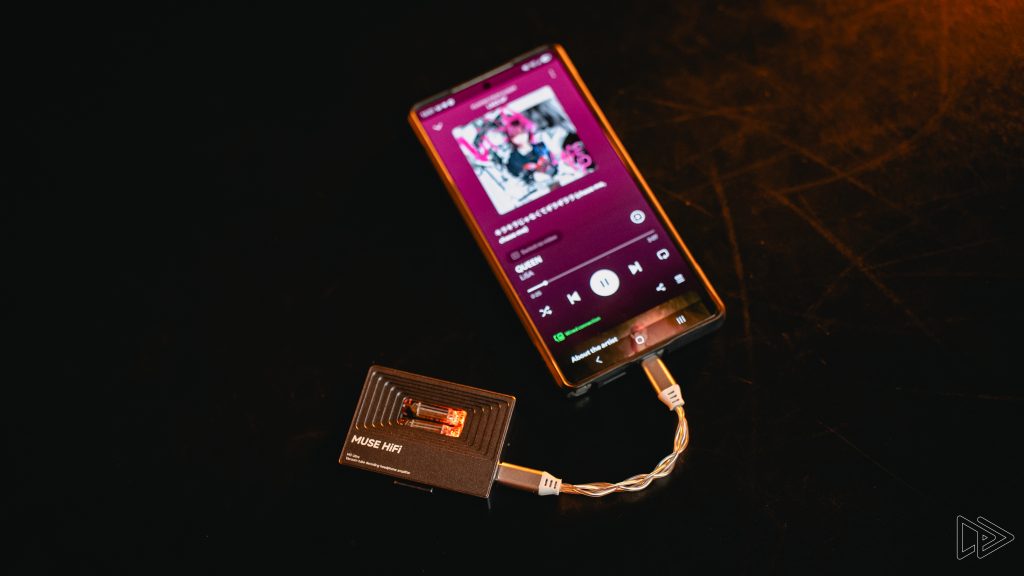
Testing was carried out across three different IEMs: the Kiwi Ears Orchestra II, a neutral-tuned set with a sub-bass boost; the Kiwi Ears Halcyon, which features MEMS drivers; and the Punch Audio Martilo, a basshead-oriented set. The variety covers enough ground to get a fair sense of how the M3 Ultra behaves across different tuning signatures and driver technologies. We also allowed the tubes to warm up for about 10 minutes to really hear the tubes in full effect.
The M3 Ultra does exactly what a good tube stage should do: it adds character without overstepping. The most immediately noticeable effect is a sense of warmth introduced into the sound without tipping into muddiness or excessive colouration. Treble is slightly more emphasised while still being smooth, taking the edge off brighter IEMs without dulling the detail underneath. Mid-bass tightens up and gains impact, adding a satisfying solidity to kick drums and bass lines that leaner solid-state sources can sometimes lack.
That being said, it is not a thick, syrupy warmth that you might expect when hearing it’s a tube amp. The presentation stays balanced and controlled throughout, which is a demonstration of how carefully MUSE HiFi has calibrated the tube influence to remain musical without losing its natural grounding. It sounds almost like a slight v-shaped curve applied to the sound signature, but it’s one that’s done subtly and with precision.
Soundstage depth extends noticeably further with the M3 Ultra in the chain, and width opens up to a lesser degree. Detail retrieval sits above average without veering into clinical territory, offering just enough resolution to pick out subtle nuances in a recording without feeling analytical or fatiguing.
On the technical side, interference, microphonics and background noise are essentially non-existent in everyday use, which validates the engineering effort behind the anti-vibration system. The one exception worth noting is an instance where the music cut out abruptly when the unit was picked up off the table, though this happened only once across the entire testing period and did not recur.
This is still an inherently coloured sound, and that is the point. Purists after an entirely transparent, neutral signal path will want to look elsewhere, but anyone drawn to the warmer, more musical character of analogue tube sound will find the M3 Ultra delivers it convincingly in a device that fits in a shirt pocket.
Is It Worth It?
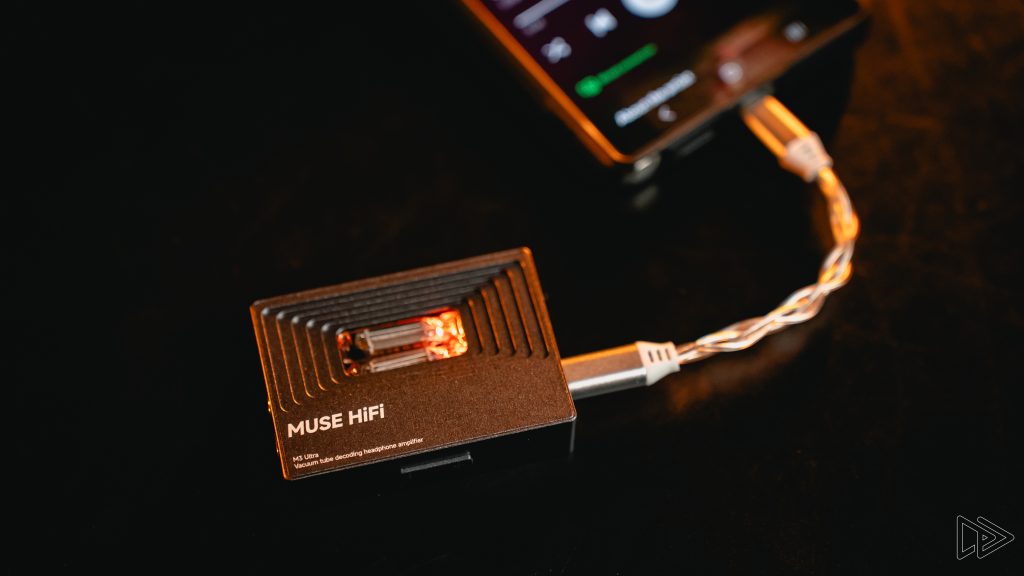
The exposed tube design is the M3 Ultra’s most distinctive feature and also its one practical vulnerability. The ‘World Gate’ aesthetic looks great but does invite more concern about everyday durability than a fully enclosed chassis would. Investing in a carrying case or pouch before taking it out regularly is a sensible precaution.
That caveat aside, the MUSE HiFi M3 Ultra makes a compelling case as an entry point into portable tube amplification. The days of needing a bulky, fragile, expensive desktop setup to experience tube sound are increasingly behind us, and the M3 Ultra at 109USD brings that character to any headphone or IEM pairing with minimal friction. It works with Apple, Android, PC and laptop sources over USB-C, so compatibility is not a concern.
The subtle warmth it adds suits a wide range of IEMs and headphones, particularly brighter or more analytical sets that benefit from a smoother presentation. For anyone curious about what tube amplification actually sounds like without committing to a serious outlay, the M3 Ultra is the most painless and affordable way to find out.