Dragon Quest VII Reimagined Review: A Charming Reimagination That Tests Your Patience
Jin Soh
Dragon Quest is a franchise that needs no introduction. Often dubbed the grandfather of the JRPG genre, the series has seen a steady stream of remakes and remasters in recent years breathing new life into its earlier entries. The latest of these is Dragon Quest VII Reimagined, and the Reimagined moniker is no misnomer. This is not simply a fresh coat of paint. Story pacing, combat and visuals have all seen meaningful changes compared to the original that released 26 years ago.
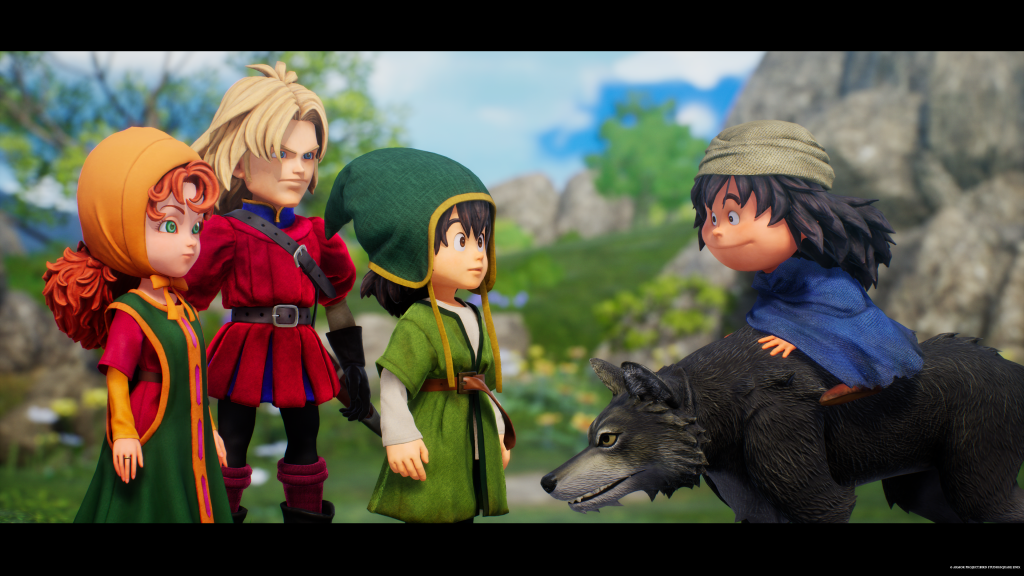
The setup is deceptively simple. You play as a fisherman’s son from the peaceful island of Estard, where the population believes they are the last people alive in a world of endless ocean. Driven by curiosity, you and your companions, the adventurous Prince Kiefer and the sharp-tongued Maribel, stumble upon an ancient shrine filled with shattered stone tablets that serve as portals to the past. Collecting and reassembling these fragments sends your party to forgotten islands to experience their stories and resolve their crises, causing each island to physically reappear in your present-day world, slowly populating the once empty ocean around you.
One of the more notable changes in the Reimagined version is a shortened opening sequence. The original was apparently notorious for its glacial pacing, with reports of players only reaching their first combat encounter four to five hours in. Having not played the original myself, I can only go by what those veterans say, but even in this streamlined version, there is a persistent sense that the game is moving in fast-forward, ushering you along before any single moment has time to breathe.
Story
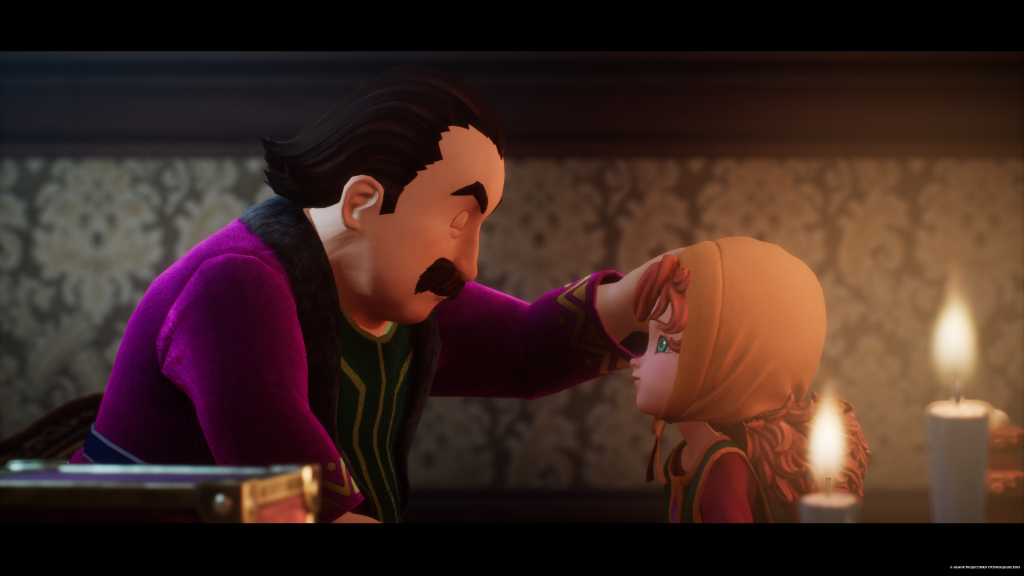
Dragon Quest VII Reimagined tells its story in episodic vignettes. Your party travels to a new land, solves a local crisis ranging from monster invasions to ancient curses, returns to the present and watches another island materialise on the horizon. Then the cycle repeats. It is a structure that works well enough in isolation but starts to feel mechanical once you recognise the pattern, which happens fairly early on.
The individual stories vary in quality, with some genuinely compelling and others feeling like obligatory stops on a checklist. What they largely share is a sense of low stakes. There is no urgent overarching threat driving you forward for a good portion of the game, and the episodic nature means the stories rarely connect in ways that feel meaningful. The world is expanding, yes, but it can be hard to feel invested in that expansion when the stakes remain so light and the tone so breezy.
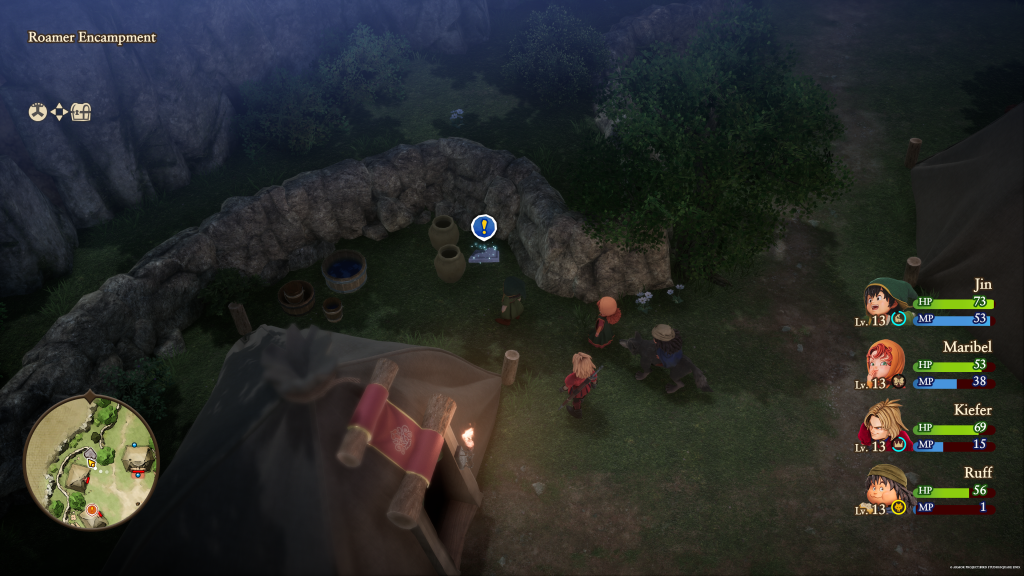
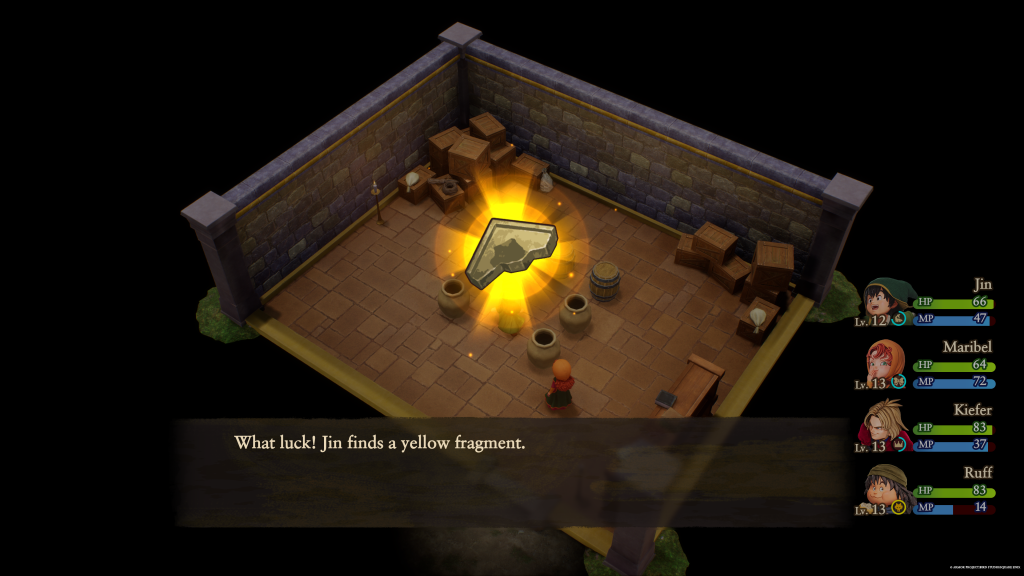
The characters do not help matters early on. Kiefer and Maribel in particular are one-dimensional at the outset, and not especially likeable. They do grow on you over time, but that growth requires patience. The game also holds your hand quite readily, with item icons displayed directly on the map in a way that largely removes the exploratory tension the genre once prided itself on. Convenient for players with less time or patience, less so for those who want to feel like they are actualy on an adventure and discovering something.
It takes roughly 30 hours before the plot introduces a twist that raises the stakes in any meaningful way. That is a long time to ask players to trust the process, and the honest answer is that not everyone will make it that far. They say the journey matters more than the destination, but the journey here does not always give you enough reason to keep going.
Combat and Gameplay
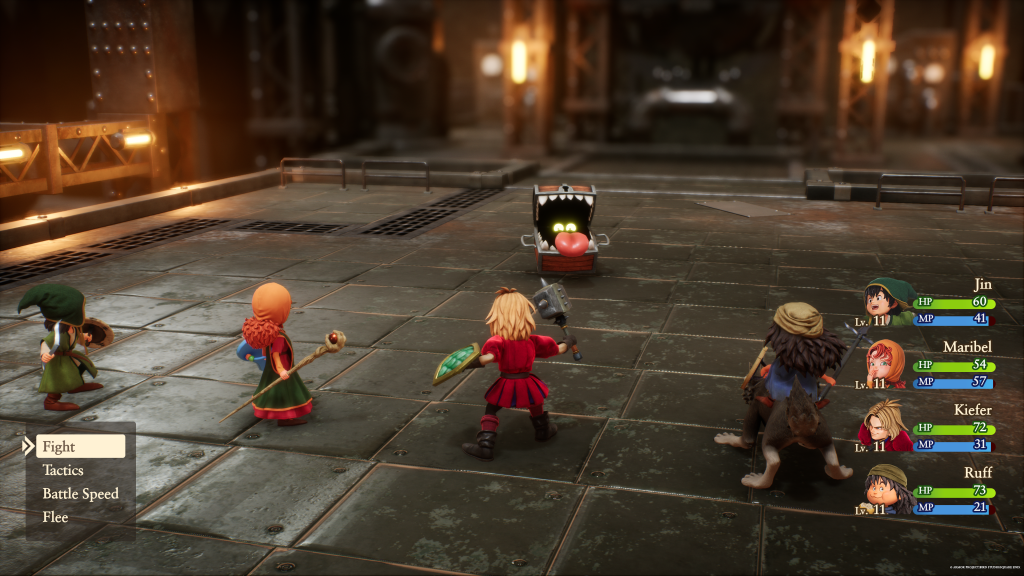
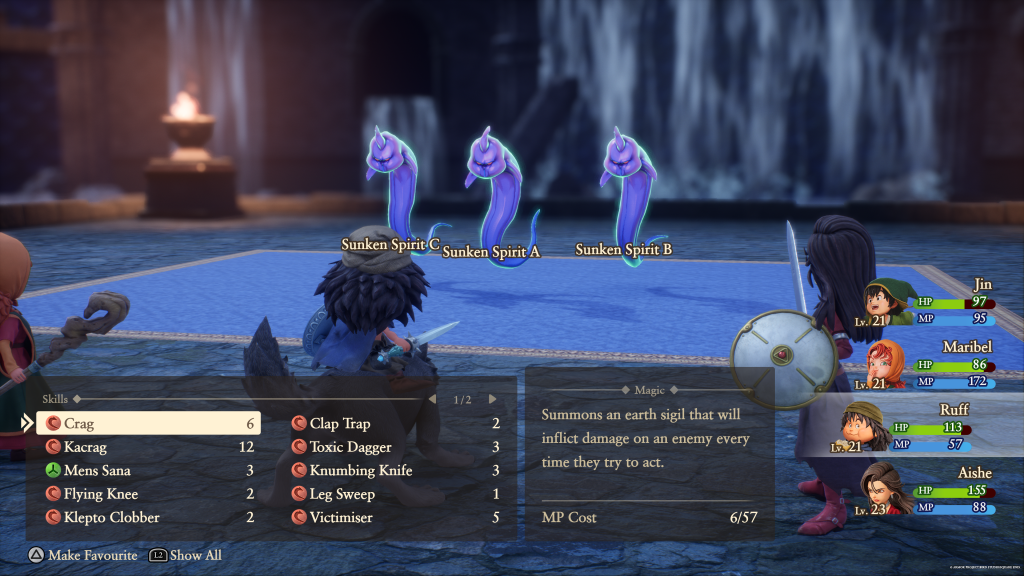
The combat is classic Dragon Quest turn-based fare, and it is comfortable in that familiarity. There is genuine thinking involved in leveraging enemy weaknesses and timing your buffs and debuffs correctly, though playing on normal difficulty the early game feels quite forgiving. The later half does require some grinding, though it felt marginally less demanding on strategy than Dragon Quest XI, at least from memory.
The Vocation system lets your party members switch jobs and accumulate skills from different disciplines, with mastering certain combinations unlocking more powerful vocations. It is an interesting system that adds a layer of progression to what might otherwise feel like rote grinding, making the repetition a little easier to tolerate without fully disguising that it is still repetition.
Verdict
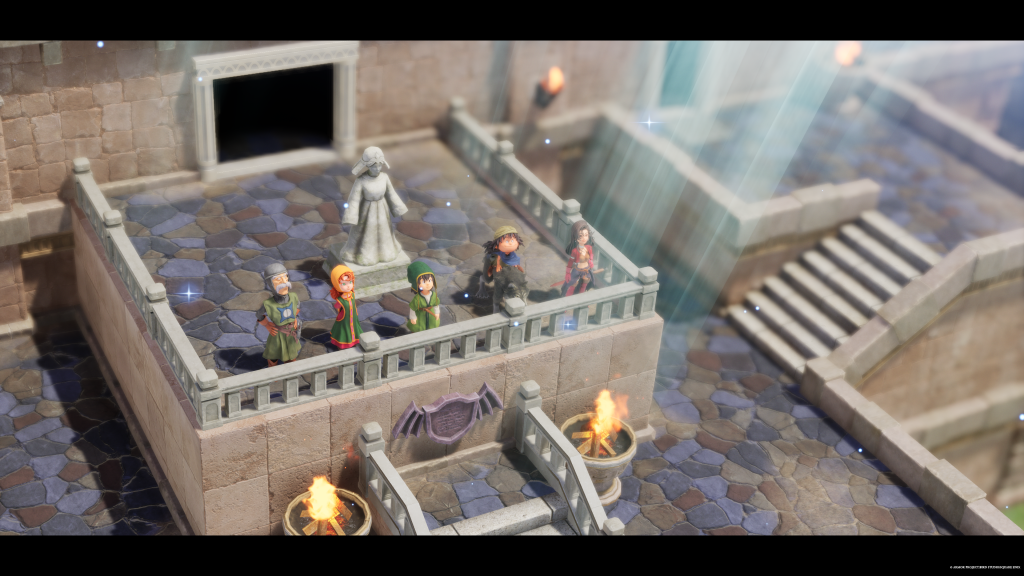
Dragon Quest VII Reimagined is a game that wears its age openly. Despite the reimagining, you can feel the bones of a year 2000 RPG underneath, from the wall of text that greets you at the inn to the five-second pause every time you pick up a key item. Some will find that charming. Others will find it an unnecessary friction that modern game design has largely moved past.
The Dragon Quest series has always traded on charm above all else, from its signature soundtracks to its warm, almost storybook tone, and that charm is present here too. But with a repetitive first half and characters that take time to earn your affection, it is hard to agree with the suggestion of some that this is a strong entry point for newcomers to the series.
If you are already a fan of the franchise and feel compelled to work through the catalogue, Dragon Quest VII Reimagined is still worth your time. For everyone else, there are more welcoming doors into the world of Dragon Quest than this one, in my opinion.