7Hz Diablo Review — The Dark Twin With a Fun Side
Jin Soh
Planar magnetic IEMs once dominated the Chi-Fi audio market. For a time, nearly every manufacturer pushed out a planar, all offering slightly different interpretations of what was apparently the same driver.
The appeal was clear: a distinctive timbre, fast transients and the promise of a technical leap over conventional dynamic and balanced armature drivers. Eventually though, the trend plateaued. Many of the releases sounded similar, prices varied too widely, and listeners grew fatigued of the driver.
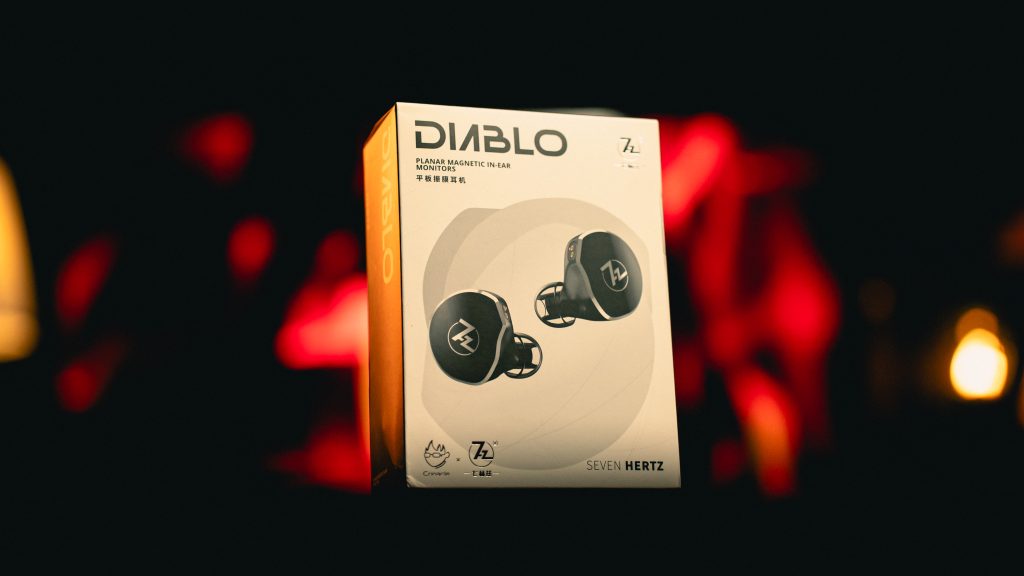
Crinacle, the audiophile personality who needs no introduction, was aware of the issue and spent the past years developing a revised planar magnetic driver intended to address the shortcomings of that earlier wave. Together with 7Hz, this resulted in a dual release: the Divine and the Diablo.
Both use a new 14.5 mm planar driver and are tuned to Crinacle’s Popular Average Diffuse Field target. The Divine sits as the more balanced and restrained model while the Diablo takes the same foundation but pushes the low end significantly harder.
At USD149 on Linsoul, the 7Hz Diablo is positioned as a more energetic, bass-forward take on modern planar tuning. We’d like to thank Linsoul for providing us with a review unit of the Diablo.
What’s in the Box?
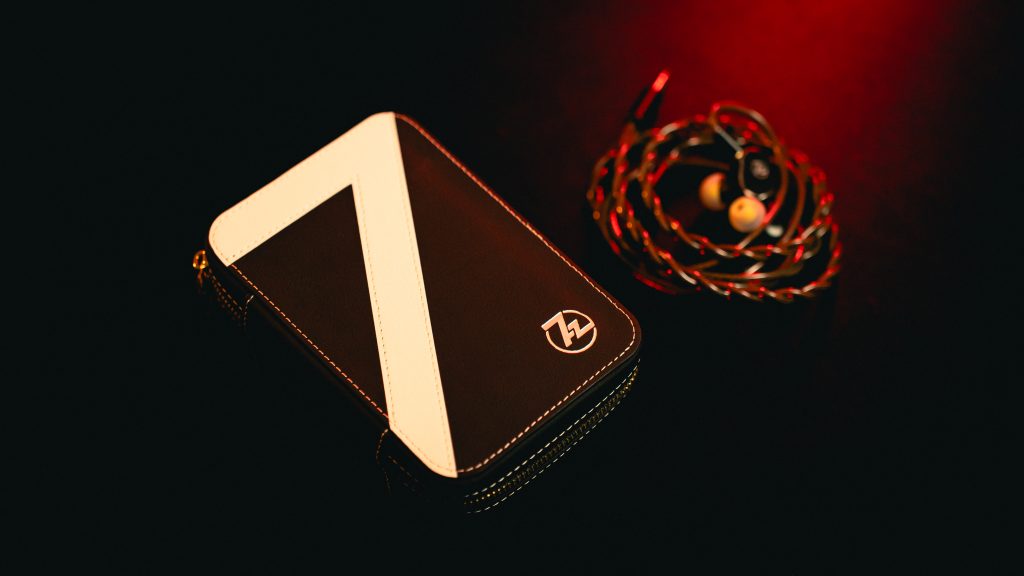
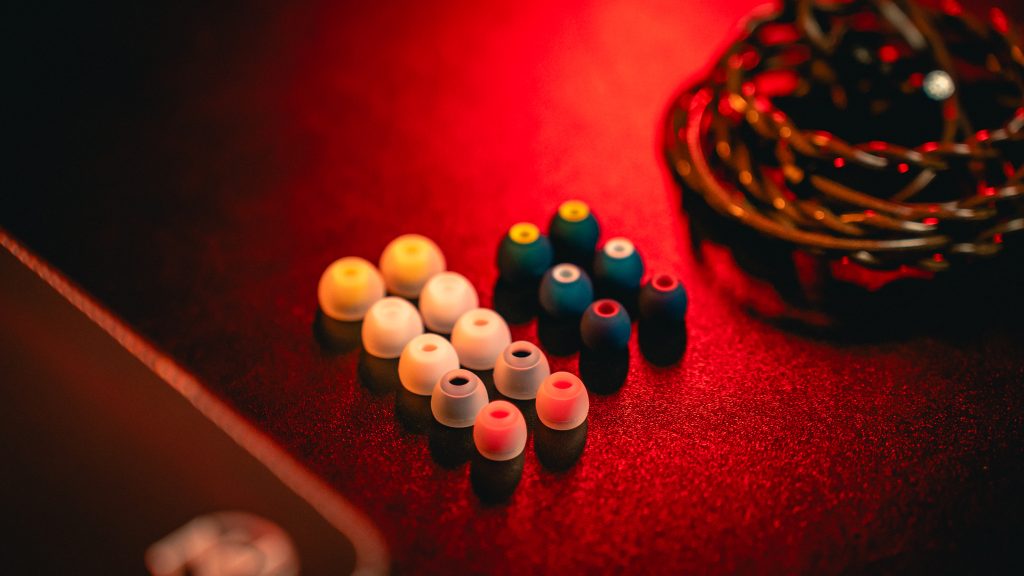
The Diablo comes with a solid set of accessories. The carrying case is large, rigid and well-built, which makes it useful for travel or storage. If you’re familair with the case of the 7Hz Dioko (which was also a Crinacle collaboration), it’s essentially the same.
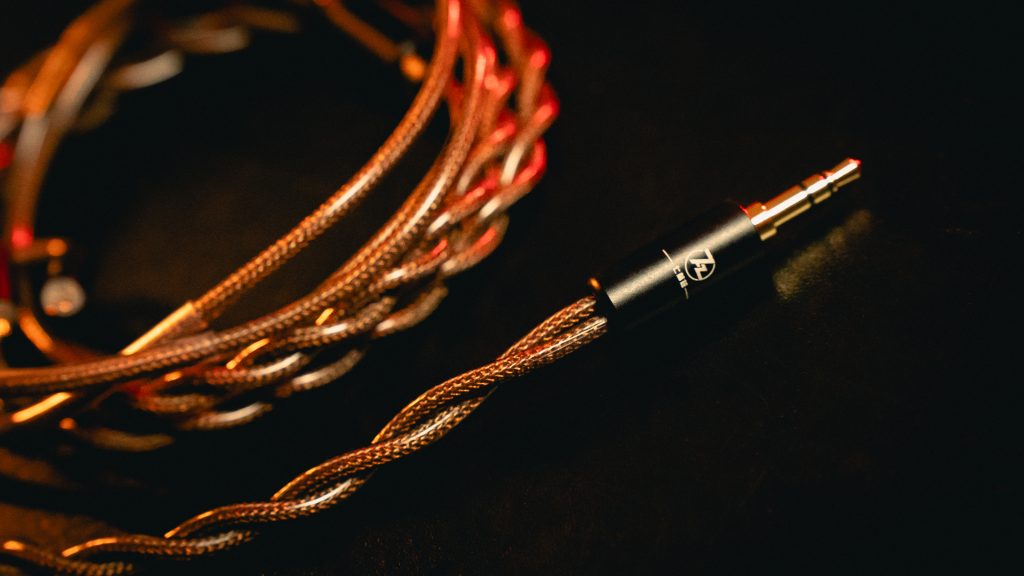
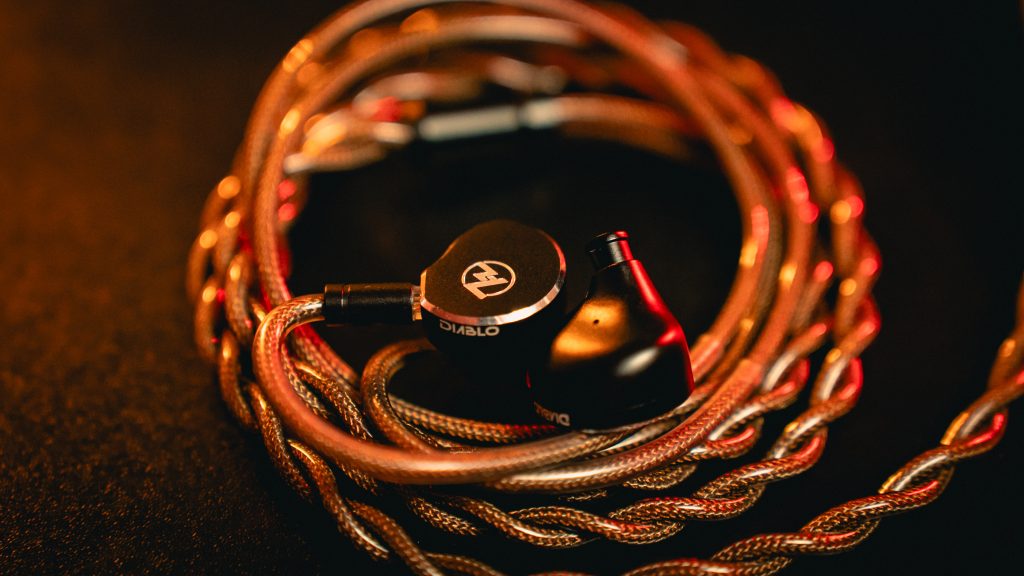
Multiple sets of ear tips are provided, along with a thick, high-purity single-crystal copper cable. The only real omission is the lack of a 4.4 mm termination option in the box.
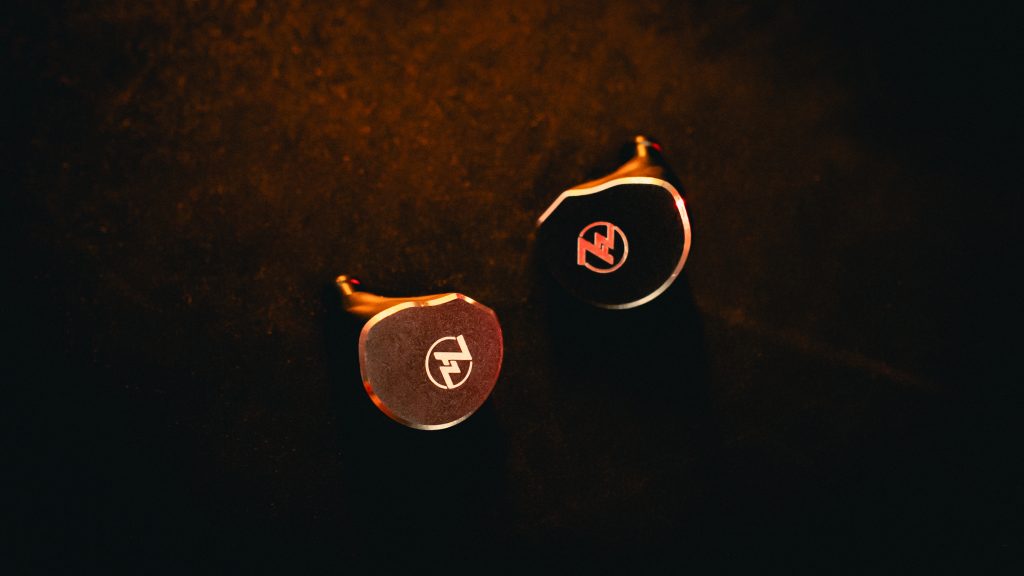
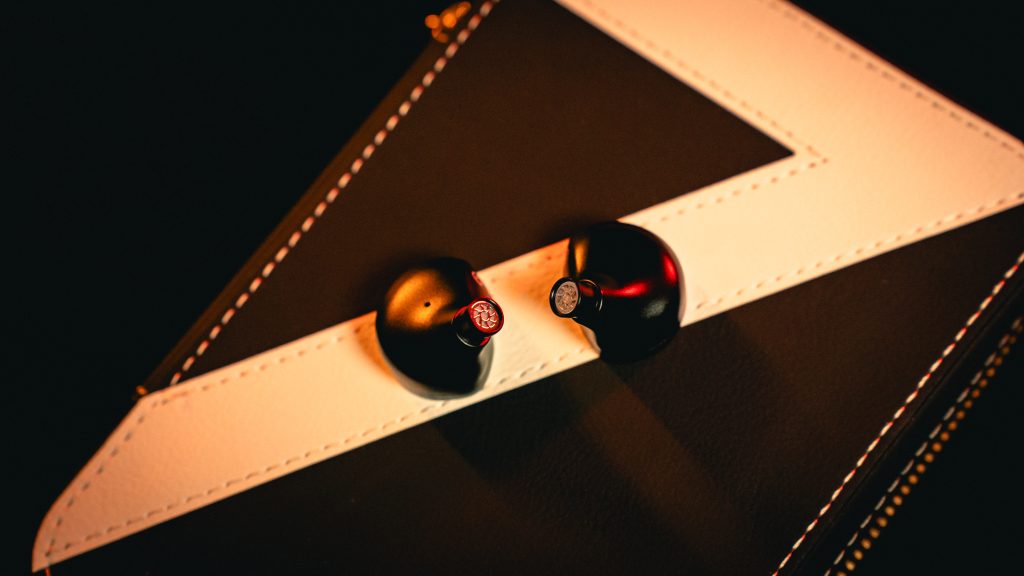
The IEM shells are CNC-machined from aerospace-grade aluminium. They don’t feel particularly heavy and are shaped in a way that loosely recalls the 7Hz Timeless, although with sharper lines and a more angular aesthetic. Comfort is good once the fit is dialled in with the right tips and the overall design leans toward simple yet sleek.
How Does It Sound?
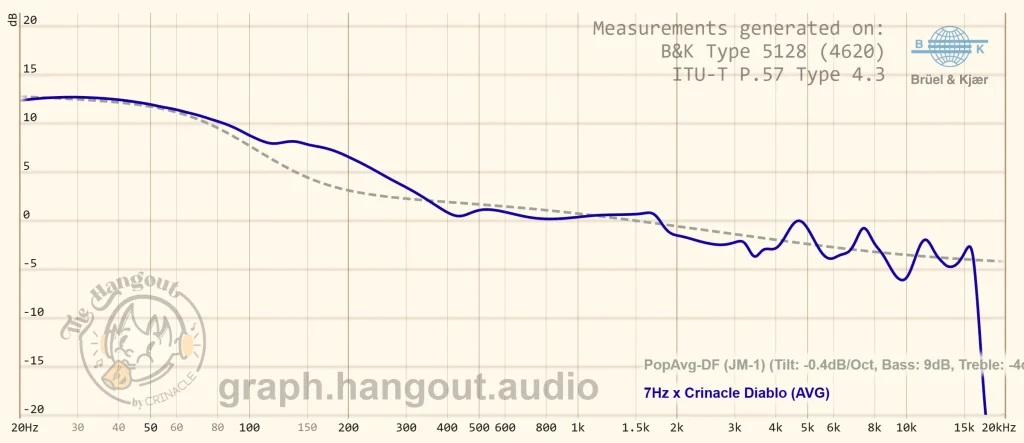
As mentioned, the Diablo is very much a bass-accented planar. The low end is elevated substantially, yet the overall tuning just about avoids falling completely into V-shaped territory.
There is still a sense of midrange presence, and the treble remains controlled rather than aggressive. It carries the familiar “planar texture” in both bass and upper frequencies, but without the harshness or metallic edge that plagued the earlier generation of planar IEMs.
The soundstage is intimate in width and depth, creating a more focused and enveloping presentation. Power requirements are ever so slightly higher than average in my testing. I needed to raise gain by a few steps compared to my usual IEM pairings, though nothing excessive.
Bass
Bass is, without a doubt, the defining element of the Diablo. Both sub-bass and mid-bass are elevated (specifically by 12dB on paper), creating an immediately satisfying sense of weight. Sub-bass reaches deep and maintains good control even when pushed. There is enough rumble to give the Diablo a deep, immersive experience with certain tracks.
Mid-bass hits with authority and remains tight and reasonably quick. The tuning avoids turning boomy or overly diffuse, though the leading edge of bass notes can sometimes feel a little slower than expected from a planar driver. This may come down to source pairing, but the overall impression remains that the low end is bold and impactful without being sloppy or loose.
Mids
Vocals sit clearly in the centre of the mix without being overshadowed by the elevated bass. Male vocals benefit from the added warmth and thickness, giving them a weightier, more full-bodied delivery. Female vocals have good note weight as well, though they could use a little more air for those who prefer a lighter or more delicate presentation.
Some listeners may find that the additional low-end energy makes the lower midrange sound veiled and less neutral. To my ears, it reads more as colouration rather than congestion. It is not a strictly accurate or reference-leaning midrange, but the tuning remains enjoyable and musical.
Highs
Despite the heavy low-end, the treble is tuned to be relaxed and fatigue-free. There is enough sparkle to prevent the signature from feeling overly dark, but the Diablo does not reach into sharp of sibilant territory at all. Air and extension are present, yet clarity and fine detail retrieval are not its primary strengths.
One notable achievement here is the absence of the “planar timbre” that often appears as a metallic sheen or piercing edge in older planar designs. I’d say Crinacle and 7Hz have successfully avoided that issue, resulting in a treble response that is smoother and more approachable.
Is It Worth It?

The 7Hz Diablo is a fun and engaging planar IEM that prioritises musicality over strict neutrality. The new driver delivers the benefits of planar technology without the drawbacks of earlier releases, especially in terms of treble behaviour and timbre. Build quality is solid, the accessories are generous, and the tuning offers a distinctive alternative within its price bracket.
The only caveat is the emphasis on bass and the warmer, darker presentation ofthe mids. If those qualities are to your liking, the Diablo is the one to get. If you prefer a cleaner or more balanced tuning, the Divine is the better fit while still providing the same new-generation planar advantages.
Whether you prefer the restraint of the Divine or the power of the Diablo, the light and dark sides are both compelling in their own way. The choice is in your hands.